Is Sacred Bamboo Toxic to Dogs and Cats? (2026)
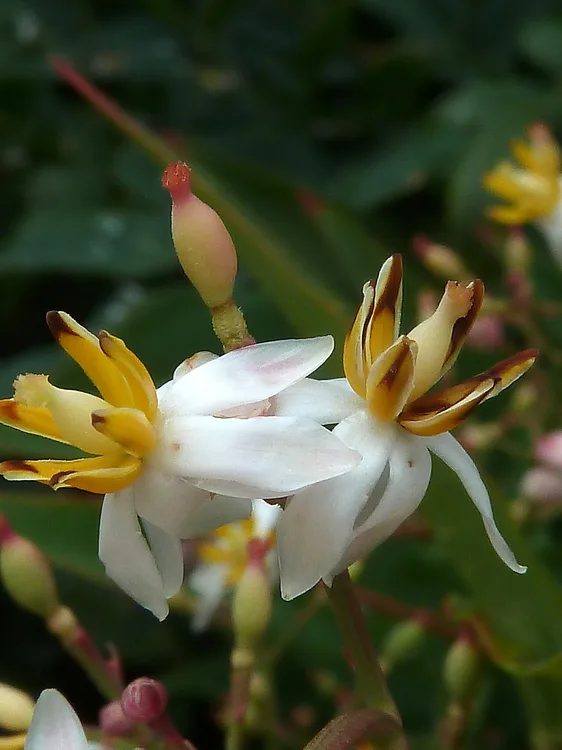
Nandina domestica
Advertisement
Quick facts
| Toxic to dogs | Yes |
|---|---|
| Toxic to cats | Yes |
| Toxic to horses | Yes |
| Toxic component | Cyanogenic glycosides |
| Onset of symptoms | Within a few hours |
| Indoor / outdoor | outdoor |
If your pet ate this plant
Both lines are staffed 24/7. A consultation fee applies to each. Do not wait for symptoms to appear before calling.
Advertisement
Symptoms in dogs
- Vomiting
- Diarrhea
- Weakness
- Difficulty breathing with large ingestion
Symptoms in cats
- Vomiting
- Diarrhea
- Weakness
Advertisement
What to do
Contact a vet, especially if berries were eaten in quantity — they carry the highest concentration of cyanogenic compounds. Despite "bamboo" in the name, this is not a true bamboo and is meaningfully more toxic than true bamboo species.
Toxic component and mechanism
The toxic component in Sacred Bamboo is cyanogenic glycosides.
Part-specific risk: Berries are more concentrated in toxins than leaves.
What makes this plant different
Sacred Bamboo (Nandina) is not a true bamboo at all — it's a member of the barberry family whose bright red berries contain cyanogenic glycosides, making it meaningfully more dangerous than actual bamboo species despite the shared common name.
Plant identification
- Scientific name
- Nandina domestica
- Family
- Berberidaceae
- Also known as
- Sacred Bamboo, Heavenly Bamboo, Nandina
- Typically found
- outdoor
Pet-safe alternatives


Advertisement
Related plants

American Mandrake
Podophyllum peltatum

Heavenly Bamboo
Nandina domestica

Mayapple
Podophyllum peltatum

Nandina
Nandina domestica

Alocasia
Alocasia spp.
See all Berberidaceae plants →
Last verified: July 2, 2026 · Cross-referenced with ASPCA Animal Poison Control