Is Heavenly Bamboo Toxic to Dogs and Cats? (2026)
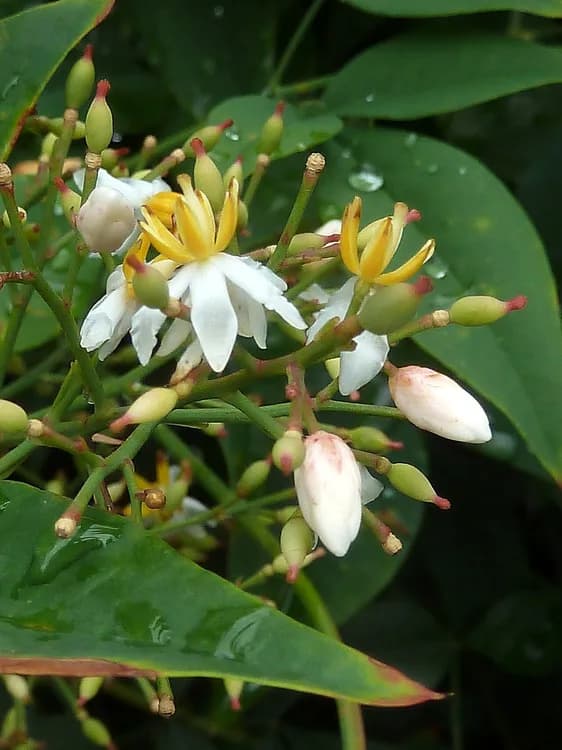
Nandina domestica
Advertisement
Quick facts
| Toxic to dogs | Yes |
|---|---|
| Toxic to cats | Yes |
| Toxic to horses | Yes |
| Toxic component | Cyanogenic glycosides |
| Onset of symptoms | Within a few hours |
| Indoor / outdoor | outdoor |
If your pet ate this plant
Both lines are staffed 24/7. A consultation fee applies to each. Do not wait for symptoms to appear before calling.
Advertisement
Symptoms in dogs
- Vomiting
- Diarrhea
- Weakness
- Difficulty breathing with large ingestion
Symptoms in cats
- Vomiting
- Diarrhea
- Weakness
Advertisement
What to do
Contact a vet, especially if berries were eaten in quantity. Nandina berries are also acutely toxic to cedar waxwings and other birds that feed on them in large flocks.
Toxic component and mechanism
The toxic component in Heavenly Bamboo is cyanogenic glycosides.
Part-specific risk: Berries are more concentrated in toxins than leaves.
What makes this plant different
Despite 'Bamboo' in its name, Nandina is not a true bamboo at all — its bright red berries, appealing to birds through winter, contain cyanogenic compounds that have caused mass die-offs in flocks of cedar waxwings, a striking example of the same toxin affecting wildlife and pets alike.
Plant identification
- Scientific name
- Nandina domestica
- Family
- Berberidaceae
- Also known as
- Heavenly Bamboo, Sacred Bamboo, Nandina
- Typically found
- outdoor
Pet-safe alternatives


Advertisement
Related plants

American Mandrake
Podophyllum peltatum

Mayapple
Podophyllum peltatum

Nandina
Nandina domestica

Sacred Bamboo
Nandina domestica

Alocasia
Alocasia spp.
See all Berberidaceae plants →
Last verified: July 2, 2026 · Cross-referenced with ASPCA Animal Poison Control