Is Lily of the Valley Toxic to Dogs and Cats? (2026)
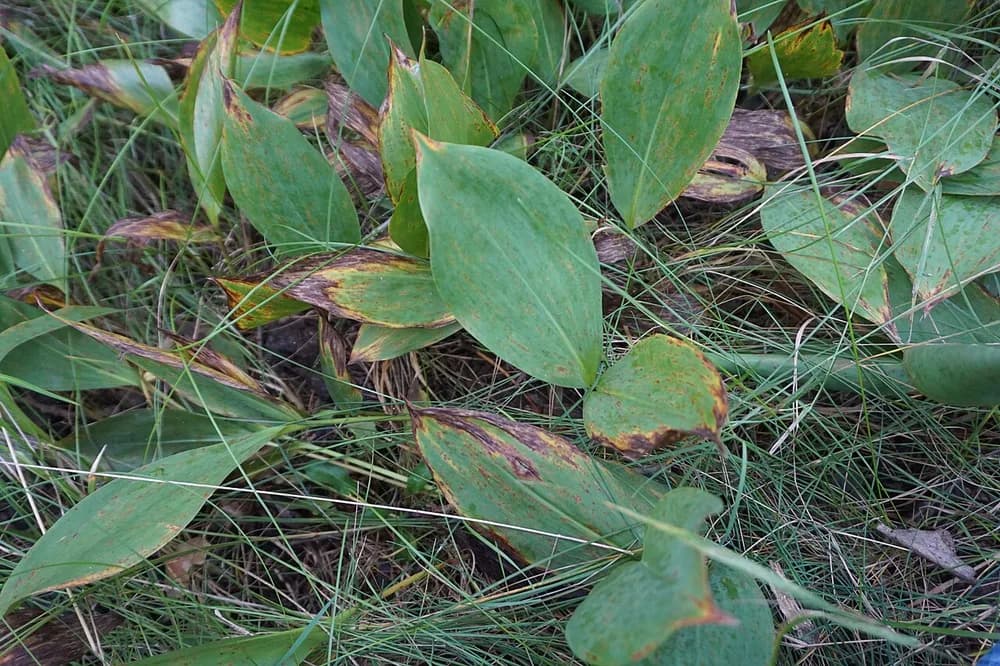
Convallaria majalis
Advertisement
Quick facts
| Toxic to dogs | Yes |
|---|---|
| Toxic to cats | Yes |
| Toxic to horses | Yes |
| Toxic component | Cardiac glycosides (convallatoxin) |
| Onset of symptoms | Within a few hours |
| Indoor / outdoor | outdoor |
If your pet ate this plant
Both lines are staffed 24/7. A consultation fee applies to each. Do not wait for symptoms to appear before calling.
Advertisement
Symptoms in dogs
- Vomiting
- Diarrhea
- Abnormal heart rhythm
- Seizures
- Collapse
Symptoms in cats
- Vomiting
- Diarrhea
- Abnormal heart rhythm
- Collapse
Advertisement
What to do
Treat as an emergency — despite its delicate, harmless-looking bell-shaped flowers, Lily of the Valley contains cardiac glycosides in the same dangerous class as Oleander and Foxglove.
Toxic component and mechanism
The toxic component in Lily of the Valley is cardiac glycosides (convallatoxin).
What makes this plant different
Lily of the Valley's small, delicate, sweetly-scented bell flowers are deceptively dangerous — despite looking like one of the most harmless plants imaginable, it contains cardiac glycosides in the same severe class as Oleander and Foxglove.
Plant identification
- Scientific name
- Convallaria majalis
- Family
- Asparagaceae
- Also known as
- Lily of the Valley
- Typically found
- outdoor
Pet-safe alternatives


Advertisement
Related plants

Anthericum Comosum
Chlorophytum comosum

Corn Plant
Dracaena fragrans

Lucky Bamboo
Dracaena sanderiana

Spider Plant
Chlorophytum comosum

African Wonder Tree
Ricinus communis
Last verified: July 2, 2026 · Cross-referenced with ASPCA Animal Poison Control