Is African Wonder Tree Toxic to Dogs and Cats? (2026)
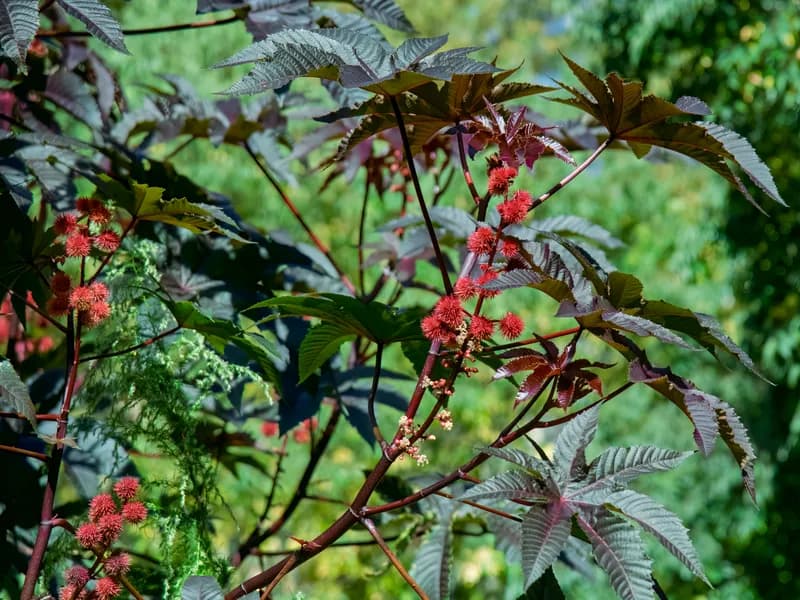
Ricinus communis
Advertisement
Quick facts
| Toxic to dogs | Yes |
|---|---|
| Toxic to cats | Yes |
| Toxic to horses | Yes |
| Toxic component | Ricin |
| Onset of symptoms | A few hours to a day |
| Indoor / outdoor | outdoor |
If your pet ate this plant
Both lines are staffed 24/7. A consultation fee applies to each. Do not wait for symptoms to appear before calling.
Advertisement
Symptoms in dogs
- Severe vomiting
- Bloody diarrhea
- Abdominal pain
- Weakness
- Seizures
Symptoms in cats
- Severe vomiting
- Bloody diarrhea
- Weakness
- Seizures
Advertisement
What to do
Go to an emergency vet immediately, especially if any seeds (beans) were eaten — ricin is one of the most potent plant toxins known and seeds are the most dangerous part.
Toxic component and mechanism
The toxic component in African Wonder Tree is ricin.
What makes this plant different
Castor Bean seeds contain ricin, one of the most potent toxins known from any plant — a handful of seeds can be lethal to a dog, which is a different risk category entirely from the mild GI-upset plants that dominate most toxic plant lists.
Plant identification
- Scientific name
- Ricinus communis
- Family
- —
- Also known as
- African Wonder Tree
- Typically found
- outdoor
Pet-safe alternatives


Advertisement
Related plants

American Mandrake
Podophyllum peltatum

American Yew
Taxus canadensus

Andromeda Japonica
Pieris japonica

Asian Lily
Lilium asiatica

Autumn Crocus
Colchicum autumnale
Last verified: July 2, 2026 · Cross-referenced with ASPCA Animal Poison Control