Is Lucky Bamboo Toxic to Dogs and Cats? (2026)
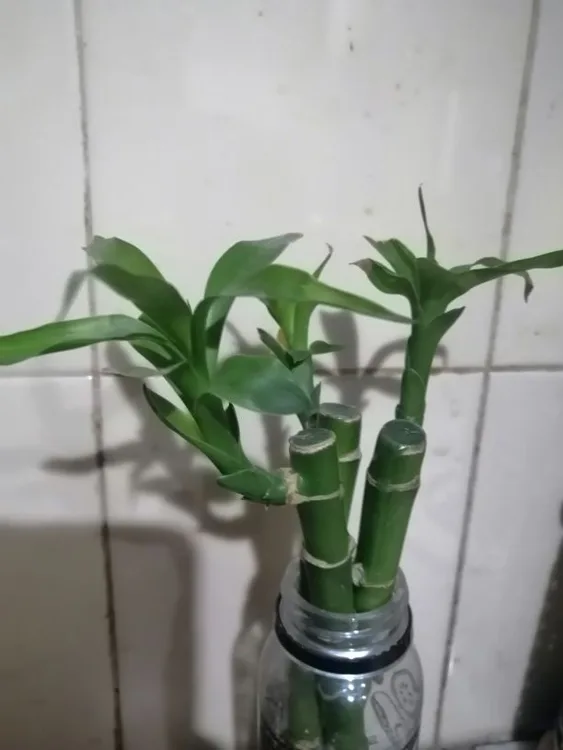
Dracaena sanderiana
Advertisement
Quick facts
| Toxic to dogs | Yes |
|---|---|
| Toxic to cats | Yes |
| Toxic to horses | Yes |
| Toxic component | Saponins |
| Onset of symptoms | Within a few hours |
| Indoor / outdoor | indoor |
If your pet ate this plant
Both lines are staffed 24/7. A consultation fee applies to each. Do not wait for symptoms to appear before calling.
Advertisement
Symptoms in dogs
- Vomiting (sometimes with blood)
- Diarrhea
- Loss of appetite
- Excess drooling
Symptoms in cats
- Vomiting
- Diarrhea
- Loss of appetite
- Dilated pupils
Symptoms in horses
- Mild GI upset
Advertisement
What to do
Contact your vet if you see vomiting, especially with blood, or if your pet stops eating. Most cases resolve with supportive care such as anti-nausea medication and fluids.
Toxic component and mechanism
The toxic component in Lucky Bamboo is saponins.
What makes this plant different
Lucky Bamboo is not a true bamboo at all — it's a Dracaena species that is moderately toxic to cats and dogs, whereas true bamboo (family Poaceae/Gramineae) is non-toxic. This naming confusion is one of the most common sources of incorrect pet-safety advice online, since owners searching 'is bamboo toxic to cats' often land on generic answers about true bamboo that don't apply to the plant actually sitting on their desk.
Plant identification
- Scientific name
- Dracaena sanderiana
- Family
- Asparagaceae
- Also known as
- Lucky Bamboo, Ribbon Plant, Friendship Bamboo
- Typically found
- indoor
Advertisement
Related plants

Anthericum Comosum
Chlorophytum comosum

Corn Plant
Dracaena fragrans

Lily of the Valley
Convallaria majalis

Spider Plant
Chlorophytum comosum

Alocasia
Alocasia spp.
Last verified: July 2, 2026 · Cross-referenced with ASPCA Animal Poison Control