Is Larkspur Toxic to Dogs and Cats? (2026)
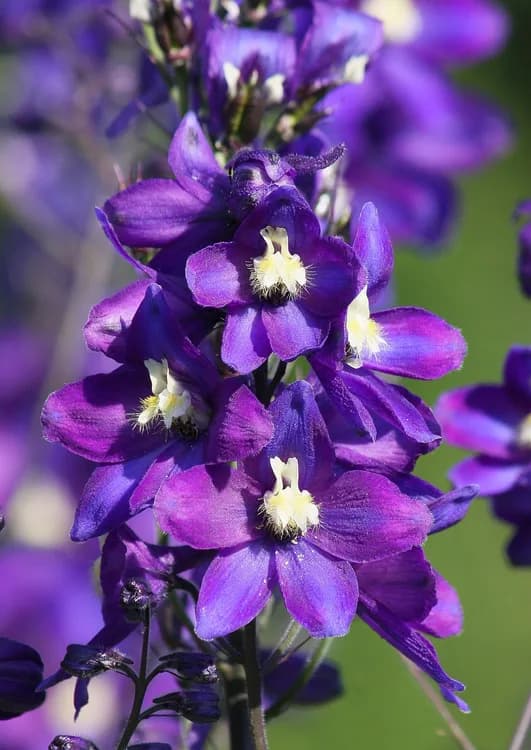
Delphinium species
Advertisement
Quick facts
| Toxic to dogs | Yes |
|---|---|
| Toxic to cats | Yes |
| Toxic to horses | Yes |
| Toxic component | Diterpenoid alkaloids |
| Onset of symptoms | Within a few hours; young plants in early growth are the most concentrated in toxic alkaloids |
| Indoor / outdoor | outdoor |
If your pet ate this plant
Both lines are staffed 24/7. A consultation fee applies to each. Do not wait for symptoms to appear before calling.
Advertisement
Symptoms in dogs
- Drooling
- Vomiting
- Muscle tremors
- Difficulty breathing
- Collapse
Symptoms in cats
- Drooling
- Vomiting
- Muscle tremors
- Difficulty breathing
Symptoms in horses
- Colic
- Muscle tremors
- Difficulty breathing
- A leading cause of cattle death on Western rangeland, though horses are somewhat less commonly affected than cattle
Advertisement
What to do
Treat as an emergency for any species. Larkspur is one of the most economically significant livestock-poisoning plants in the Western United States, primarily affecting cattle, but the same alkaloids are dangerous to companion animals too.
Toxic component and mechanism
The toxic component in Larkspur is diterpenoid alkaloids.
What makes this plant different
Larkspur is one of the most economically significant livestock-poisoning plants on Western rangeland, historically responsible for major cattle losses — young larkspur plants in early spring growth carry the highest alkaloid concentration, making early-season grazing the riskiest exposure window.
Plant identification
- Scientific name
- Delphinium species
- Family
- Ranunculaceae
- Also known as
- Larkspur
- Typically found
- outdoor
Pet-safe alternatives


Advertisement
Related plants

Buttercup
Ranunculus spp.

Christmas Rose
Helleborus niger

Clematis
Clematis spp.

Figwort
Ranunculus acris

Hellebore
Helleborus niger
See all Ranunculaceae plants →
Last verified: July 2, 2026 · Cross-referenced with ASPCA Animal Poison Control