Is Buttercup Toxic to Dogs and Cats? (2026)
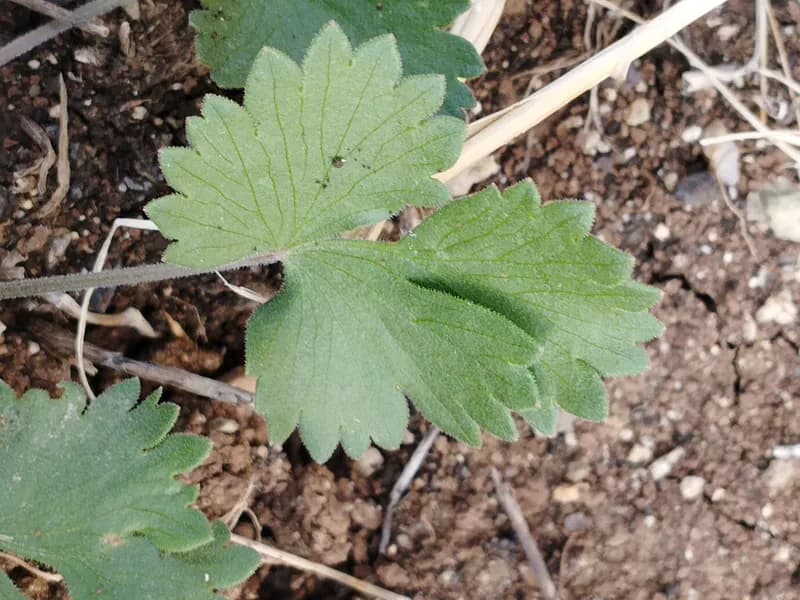
Ranunculus spp.
Advertisement
Quick facts
| Toxic to dogs | Yes |
|---|---|
| Toxic to cats | Yes |
| Toxic to horses | Yes |
| Toxic component | Protoanemonin |
| Onset of symptoms | Within an hour |
| Indoor / outdoor | outdoor |
If your pet ate this plant
Both lines are staffed 24/7. A consultation fee applies to each. Do not wait for symptoms to appear before calling.
Advertisement
Symptoms in dogs
- Oral irritation
- Drooling
- Vomiting
- Blistering of mouth tissue with fresh plant
Symptoms in cats
- Oral irritation
- Drooling
- Vomiting
Advertisement
What to do
Rinse the mouth with water; usually resolves without treatment. Dried buttercup (in hay) loses most of its irritant compound.
Toxic component and mechanism
The toxic component in Buttercup is protoanemonin.
What makes this plant different
Buttercup's protoanemonin breaks down significantly once the plant dries, which is why buttercup-contaminated hay is considered much lower risk than fresh buttercup in a pasture or lawn — drying time matters more here than for most other plants on this list.
Plant identification
- Scientific name
- Ranunculus spp.
- Family
- Ranunculaceae
- Also known as
- Buttercup, Butter Cress, Figwort
- Typically found
- outdoor
Pet-safe alternatives
Advertisement
Related plants
Christmas Rose
Helleborus niger
Clematis
Clematis spp.
Figwort
Ranunculus acris
Hellebore
Helleborus niger
Larkspur
Delphinium species
See all Ranunculaceae plants →
Last verified: July 2, 2026 · Cross-referenced with ASPCA Animal Poison Control