Is Christmas Rose Toxic to Dogs and Cats? (2026)
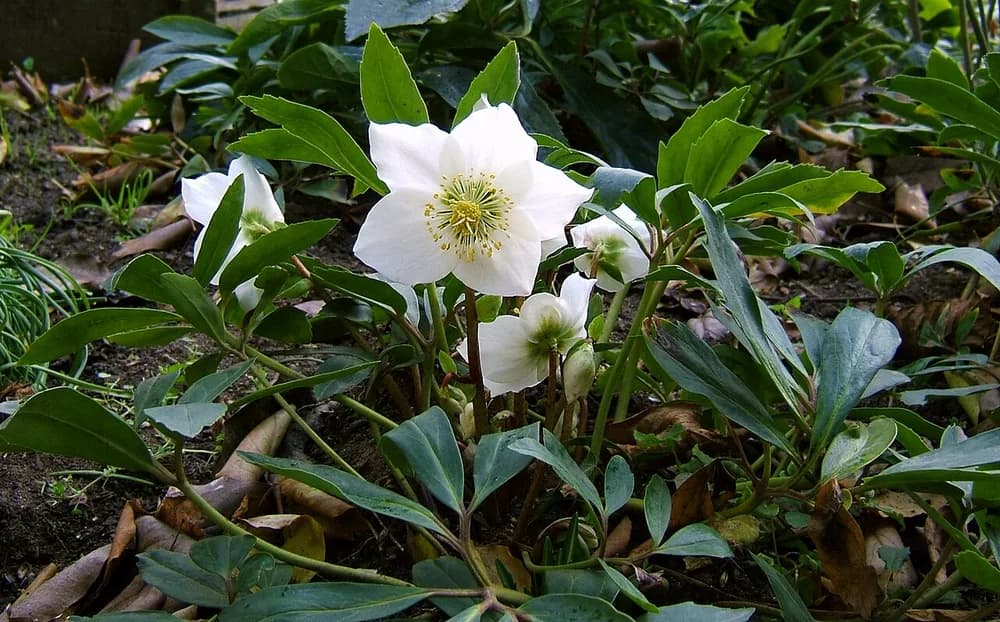
Helleborus niger
Advertisement
Quick facts
| Toxic to dogs | Yes |
|---|---|
| Toxic to cats | Yes |
| Toxic to horses | Yes |
| Toxic component | Cardiac glycosides (bufadienolides) and protoanemonin |
| Onset of symptoms | Within a few hours |
| Indoor / outdoor | outdoor |
If your pet ate this plant
Both lines are staffed 24/7. A consultation fee applies to each. Do not wait for symptoms to appear before calling.
Advertisement
Symptoms in dogs
- Drooling
- Severe vomiting
- Diarrhea
- Abnormal heart rhythm
- Seizures with large ingestion
Symptoms in cats
- Drooling
- Severe vomiting
- Diarrhea
- Abnormal heart rhythm
Advertisement
What to do
Treat as a serious exposure — despite being a popular cold-hardy winter-blooming garden plant, Hellebore combines a cardiac glycoside risk with the oral irritation of protoanemonin.
Toxic component and mechanism
The toxic component in Christmas Rose is cardiac glycosides (bufadienolides) and protoanemonin.
What makes this plant different
Christmas Rose (Hellebore) is prized specifically for blooming in winter when little else is in flower, but combines a genuine cardiac glycoside risk with the oral irritation of protoanemonin — a more dangerous combination than its popular, cold-hardy garden reputation suggests.
Plant identification
- Scientific name
- Helleborus niger
- Family
- Ranunculaceae
- Also known as
- Christmas Rose, Hellebore, Lenten Rose, Easter Rose
- Typically found
- outdoor
Pet-safe alternatives


Advertisement
Related plants

Buttercup
Ranunculus spp.

Clematis
Clematis spp.

Figwort
Ranunculus acris

Hellebore
Helleborus niger

Larkspur
Delphinium species
See all Ranunculaceae plants →
Last verified: July 2, 2026 · Cross-referenced with ASPCA Animal Poison Control