Is Lantana Toxic to Dogs and Cats? (2026)
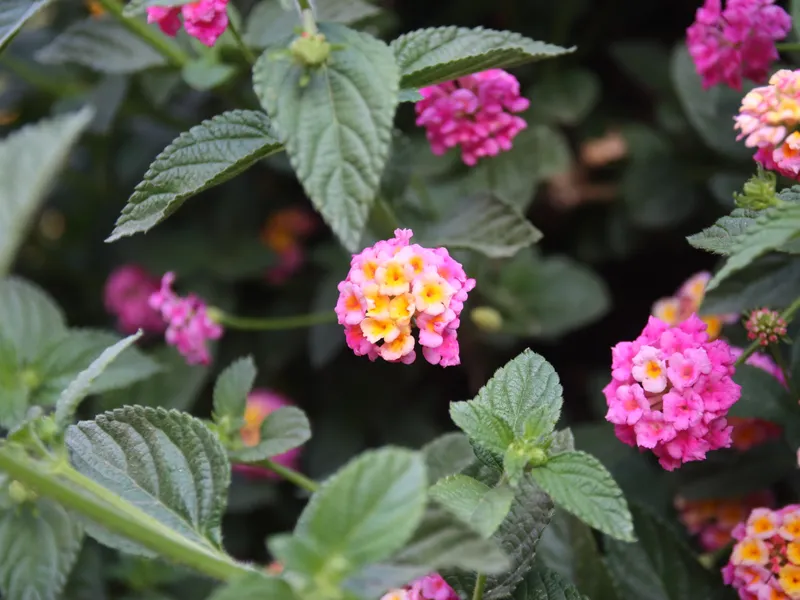
Lantana camara
Advertisement
Quick facts
| Toxic to dogs | Yes |
|---|---|
| Toxic to cats | Yes |
| Toxic to horses | Yes |
| Toxic component | Lantadene A and B |
| Onset of symptoms | Several hours for GI symptoms; photosensitization over following days |
| Indoor / outdoor | outdoor |
If your pet ate this plant
Both lines are staffed 24/7. A consultation fee applies to each. Do not wait for symptoms to appear before calling.
Advertisement
Symptoms in dogs
- Vomiting
- Diarrhea
- Lethargy
- Photosensitization
- Jaundice with heavy ingestion
Symptoms in cats
- Vomiting
- Diarrhea
- Lethargy
- Photosensitization
Symptoms in horses
- Photosensitization
- Liver damage
- Weight loss with chronic grazing
Advertisement
What to do
Contact a vet the same day, especially for repeated grazing exposure rather than a single mouthful.
Toxic component and mechanism
The toxic component in Lantana is lantadene a and b.
Part-specific risk: Ripe black berries are less toxic than unripe green ones, though all parts contain lantadenes.
What makes this plant different
The ripe berries of Lantana are less toxic than the unripe green berries, but all parts — including leaves and stems — contain lantadene compounds that cause photosensitization and liver damage, so 'it only ate a few berries' isn't a reliable reassurance without knowing whether they were ripe.
Plant identification
- Scientific name
- Lantana camara
- Family
- Verbenaceae
- Also known as
- Lantana, Shrub Verbena, Yellow Sage, Red Sage
- Typically found
- outdoor
Pet-safe alternatives
Advertisement
Related plants
Alocasia
Alocasia spp.
Aloe
Aloe vera
Amaryllis
Amaryllis spp.
Ambrosia Mexicana
Chenopodium botrys
American Bittersweet
Celastrus scandens
Last verified: July 2, 2026 · Cross-referenced with ASPCA Animal Poison Control