Is Ambrosia Mexicana Toxic to Dogs and Cats? (2026)
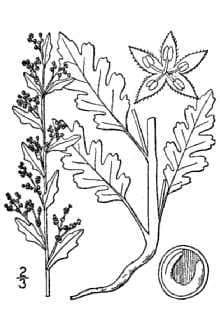
Chenopodium botrys
Advertisement
Quick facts
| Toxic to dogs | Yes |
|---|---|
| Toxic to cats | Yes |
| Toxic to horses | Yes |
| Toxic component | Ascaridole (an essential oil compound) |
| Onset of symptoms | Within a few hours |
| Indoor / outdoor | outdoor |
If your pet ate this plant
Both lines are staffed 24/7. A consultation fee applies to each. Do not wait for symptoms to appear before calling.
Advertisement
Symptoms in dogs
- Vomiting
- Diarrhea
- Tremors
- Incoordination with large ingestion
Symptoms in cats
- Vomiting
- Diarrhea
- Tremors
Advertisement
What to do
Contact a vet for significant ingestion. This plant was historically used as an intestinal dewormer in humans and animals precisely because ascaridole is bioactive at the doses used — the same compound becomes a liability outside controlled dosing.
Toxic component and mechanism
The toxic component in Ambrosia Mexicana is ascaridole (an essential oil compound).
What makes this plant different
This plant was historically used as a natural intestinal dewormer in both humans and livestock, precisely because its active compound, ascaridole, is potent enough to kill parasites at controlled doses — the same reason it becomes a genuine toxicity concern outside of careful medicinal use.
Plant identification
- Scientific name
- Chenopodium botrys
- Family
- Chenopodiaceae
- Also known as
- Ambrosia Mexicana, Jerusalem Oak, Feather Geranium
- Typically found
- outdoor
Pet-safe alternatives


Advertisement
Related plants

Beets
Beta vulgaris

Alocasia
Alocasia spp.

Aloe
Aloe vera

Amaryllis
Amaryllis spp.

American Bittersweet
Celastrus scandens
See all Chenopodiaceae plants →
Last verified: July 2, 2026 · Cross-referenced with ASPCA Animal Poison Control