Is Japanese Yew Toxic to Dogs and Cats? (2026)
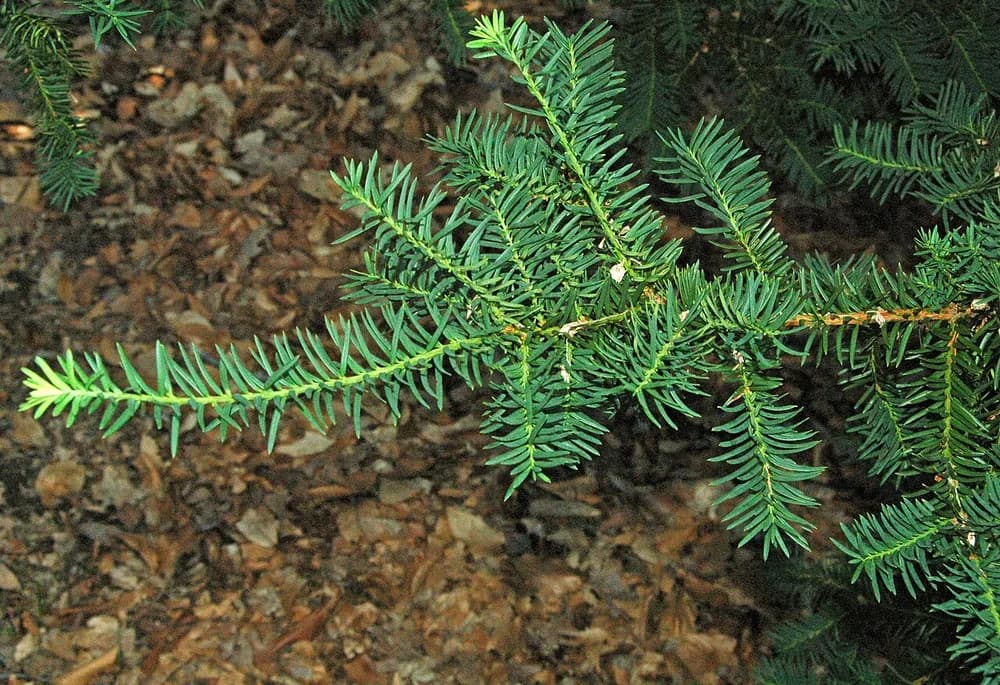
Taxus sp.
Advertisement
Quick facts
| Toxic to dogs | Yes |
|---|---|
| Toxic to cats | Yes |
| Toxic to horses | Yes |
| Toxic component | Taxine alkaloids |
| Onset of symptoms | Can be extremely rapid — sudden cardiac death with no warning signs is well documented |
| Indoor / outdoor | outdoor |
If your pet ate this plant
Both lines are staffed 24/7. A consultation fee applies to each. Do not wait for symptoms to appear before calling.
Advertisement
Symptoms in dogs
- Trembling
- Incoordination
- Difficulty breathing
- Sudden collapse
- Sudden death
Symptoms in cats
- Trembling
- Difficulty breathing
- Sudden collapse
Symptoms in horses
- Sudden death is common with no preceding symptoms
Advertisement
What to do
Emergency vet care immediately for any ingestion, even a small amount. This is one of the most acutely dangerous common landscaping plants — taxine alkaloids can stop the heart with little warning.
Toxic component and mechanism
The toxic component in Japanese Yew is taxine alkaloids.
What makes this plant different
Taxine alkaloids in yew can stop the heart with essentially no warning signs — sudden death with no preceding illness is well documented in veterinary literature, making yew one of the only 'mild-looking' evergreen hedge plants that deserves true emergency urgency for any ingestion at all.
Plant identification
- Scientific name
- Taxus sp.
- Family
- Taxaceae
- Also known as
- Japanese Yew, English Yew, Western Yew, Pacific Yew
- Typically found
- outdoor
Pet-safe alternatives


Advertisement
Related plants

American Yew
Taxus canadensus

English Yew
Taxus baccata

Yew
Taxus spp.

African Wonder Tree
Ricinus communis

American Mandrake
Podophyllum peltatum
Last verified: July 2, 2026 · Cross-referenced with ASPCA Animal Poison Control