Is Common Privet Toxic to Dogs and Cats? (2026)
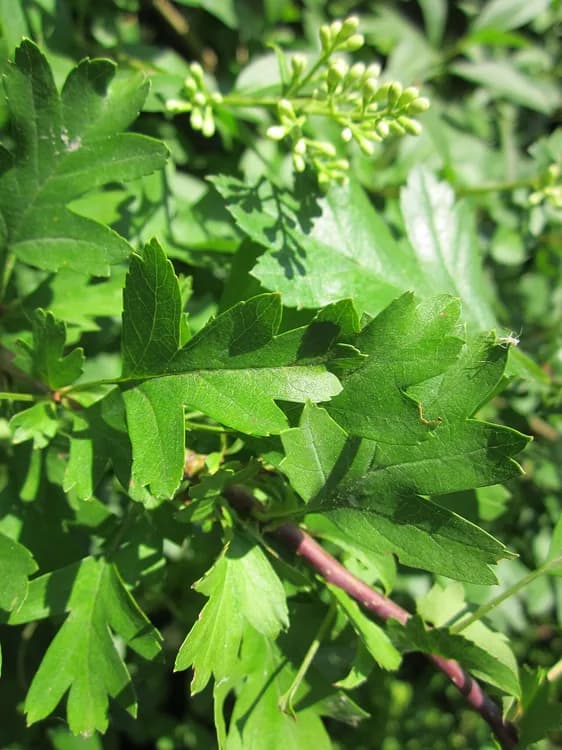
Ligustrum vulgare
Advertisement
Quick facts
| Toxic to dogs | Yes |
|---|---|
| Toxic to cats | Yes |
| Toxic to horses | Yes |
| Toxic component | Ligustrin and related glycosides |
| Onset of symptoms | Within a few hours |
| Indoor / outdoor | outdoor |
If your pet ate this plant
Both lines are staffed 24/7. A consultation fee applies to each. Do not wait for symptoms to appear before calling.
Advertisement
Symptoms in dogs
- Vomiting
- Diarrhea
- Abdominal pain
- Weakness
Symptoms in cats
- Vomiting
- Diarrhea
- Abdominal pain
Advertisement
What to do
Contact a vet, especially for berry ingestion. Privet is an extremely common hedge plant, making unsupervised backyard access a likely exposure route.
Toxic component and mechanism
The toxic component in Common Privet is ligustrin and related glycosides.
What makes this plant different
Privet is one of the most widely planted hedge shrubs in North America and Europe specifically because it tolerates aggressive trimming — that same ubiquity as a property-line hedge makes unsupervised backyard exposure more likely than for most other moderate-toxicity plants on this list.
Plant identification
- Scientific name
- Ligustrum vulgare
- Family
- Oleaceae
- Also known as
- Common Privet, Privet, Amur, Wax-leaf
- Typically found
- outdoor
Pet-safe alternatives


Advertisement
Related plants

Privet
Ligustrum japonicum

Alocasia
Alocasia spp.

Aloe
Aloe vera

Amaryllis
Amaryllis spp.

Ambrosia Mexicana
Chenopodium botrys
Last verified: July 2, 2026 · Cross-referenced with ASPCA Animal Poison Control