Is Chives Toxic to Dogs and Cats? (2026)
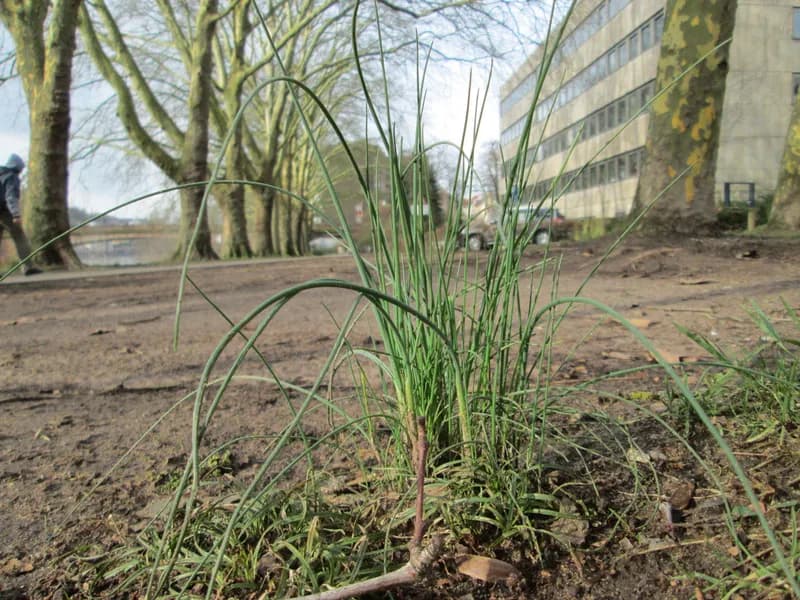
Allium schoenoprasum
Advertisement
Quick facts
| Toxic to dogs | Yes |
|---|---|
| Toxic to cats | Yes |
| Toxic to horses | Yes |
| Toxic component | Thiosulfates and organosulfur compounds (damage red blood cells) |
| Onset of symptoms | GI signs within hours; anemia can take several days to appear |
| Indoor / outdoor | outdoor |
If your pet ate this plant
Both lines are staffed 24/7. A consultation fee applies to each. Do not wait for symptoms to appear before calling.
Advertisement
Symptoms in dogs
- Vomiting
- Diarrhea
- Lethargy
- Pale gums
- Elevated heart rate (delayed anemia)
Symptoms in cats
- Vomiting
- Lethargy
- Pale gums
- Elevated heart rate (delayed anemia)
Advertisement
What to do
Contact a vet, especially for repeated or concentrated exposure (garlic powder, sauces). Cats are more sensitive than dogs. Blood cell damage can appear days after ingestion, so a normal first day doesn't rule out a problem.
Toxic component and mechanism
The toxic component in Chives is thiosulfates and organosulfur compounds (damage red blood cells).
What makes this plant different
Chives belong to the same Allium genus as garlic and onion and share the identical thiosulfate mechanism — the smaller typical serving size in cooking doesn't make them meaningfully safer gram-for-gram.
Plant identification
- Scientific name
- Allium schoenoprasum
- Family
- Amaryllidaceae
- Also known as
- Chives
- Typically found
- outdoor
Pet-safe alternatives
Advertisement
Related plants
Amaryllis
Amaryllis spp.
Barbados Lily
Hippeastrum spp.
Clivia Lily
Clivia spp.
Daffodil
Narcissus spp
Narcissus
Narcissus spp
See all Amaryllidaceae plants →
Last verified: July 2, 2026 · Cross-referenced with ASPCA Animal Poison Control