Is Barbados Lily Toxic to Dogs and Cats? (2026)
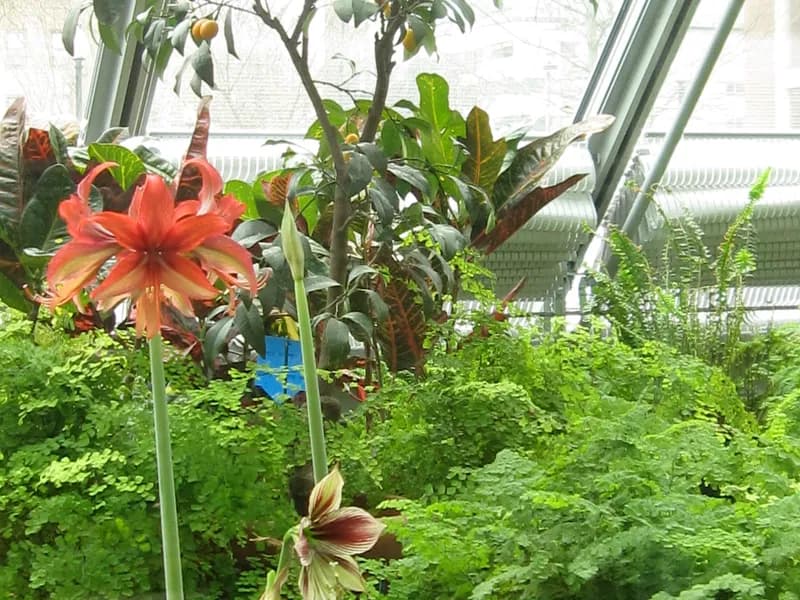
Hippeastrum spp.
Advertisement
Quick facts
| Toxic to dogs | Yes |
|---|---|
| Toxic to cats | Yes |
| Toxic to horses | No |
| Toxic component | Lycorine, concentrated in the bulb |
| Onset of symptoms | Within a few hours |
| Indoor / outdoor | both |
If your pet ate this plant
Both lines are staffed 24/7. A consultation fee applies to each. Do not wait for symptoms to appear before calling.
Advertisement
Symptoms in dogs
- Vomiting
- Depression
- Diarrhea
- Abdominal pain
- Tremors with bulb ingestion
Symptoms in cats
- Vomiting
- Depression
- Diarrhea
- Abdominal pain
Advertisement
What to do
Contact a vet, especially if the bulb was eaten.
Toxic component and mechanism
The toxic component in Barbados Lily is lycorine, concentrated in the bulb.
Part-specific risk: Bulb is far more concentrated in toxins than the flower.
What makes this plant different
Amaryllis bulbs are popular as a 'grow your own' holiday gift kit, which means the bulb — the most toxic part of the plant — is often sitting at nose height on a table during the exact weeks when a curious new puppy might be in the house.
Plant identification
- Scientific name
- Hippeastrum spp.
- Family
- Amaryllidaceae
- Also known as
- Barbados Lily, Amaryllis, Fire Lily, Lily of the Palace, Ridderstjerne
- Typically found
- both
Pet-safe alternatives


Advertisement
Related plants

Amaryllis
Amaryllis spp.

Chives
Allium schoenoprasum

Clivia Lily
Clivia spp.

Daffodil
Narcissus spp

Narcissus
Narcissus spp
See all Amaryllidaceae plants →
Last verified: July 2, 2026 · Cross-referenced with ASPCA Animal Poison Control