Is Daffodil Toxic to Dogs and Cats? (2026)
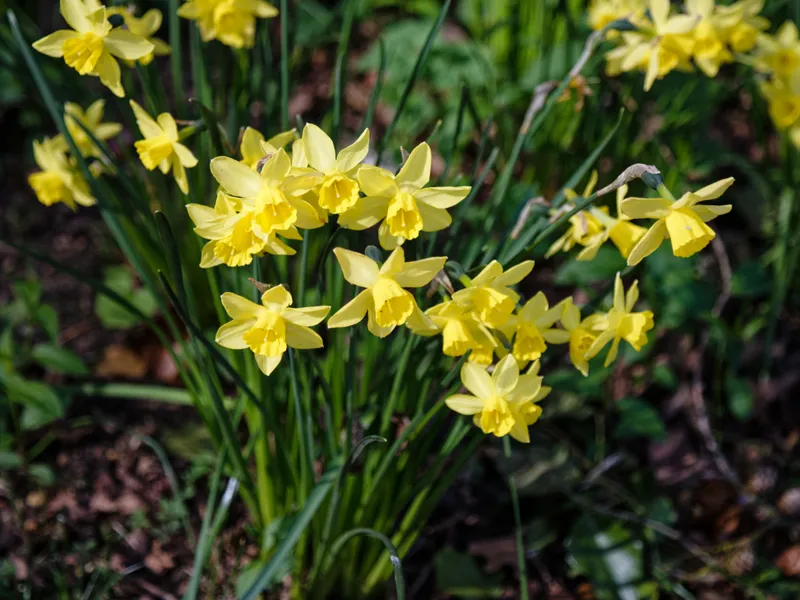
Narcissus spp
Advertisement
Quick facts
| Toxic to dogs | Yes |
|---|---|
| Toxic to cats | Yes |
| Toxic to horses | Yes |
| Toxic component | Lycorine, concentrated in the bulb |
| Onset of symptoms | Within a few hours |
| Indoor / outdoor | both |
If your pet ate this plant
Both lines are staffed 24/7. A consultation fee applies to each. Do not wait for symptoms to appear before calling.
Advertisement
Symptoms in dogs
- Vomiting
- Diarrhea
- Drooling
- Abdominal pain
- Cardiac arrhythmias with bulb ingestion
Symptoms in cats
- Vomiting
- Diarrhea
- Drooling
Advertisement
What to do
Mild if only leaves/flowers eaten; contact a vet promptly for bulb ingestion.
Toxic component and mechanism
The toxic component in Daffodil is lycorine, concentrated in the bulb.
Part-specific risk: Bulb is far more concentrated in toxins than the flower or leaves.
What makes this plant different
Daffodil bulbs are sometimes mistaken for onions when stored together in a garage or shed, and the visual similarity has led to real accidental ingestions in both pets and humans — always store bulbs somewhere clearly separated from anything edible.
Plant identification
- Scientific name
- Narcissus spp
- Family
- Amaryllidaceae
- Also known as
- Daffodil, Narcissus, Jonquil, Paper White
- Typically found
- both
Pet-safe alternatives
Advertisement
Related plants
Amaryllis
Amaryllis spp.
Barbados Lily
Hippeastrum spp.
Chives
Allium schoenoprasum
Clivia Lily
Clivia spp.
Narcissus
Narcissus spp
See all Amaryllidaceae plants →
Last verified: July 2, 2026 · Cross-referenced with ASPCA Animal Poison Control