Is Chinaberry Tree Toxic to Dogs and Cats? (2026)
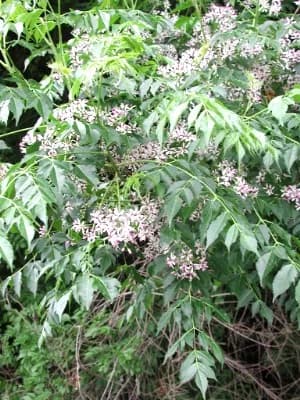
Melia azedarach
Advertisement
Quick facts
| Toxic to dogs | Yes |
|---|---|
| Toxic to cats | Yes |
| Toxic to horses | Yes |
| Toxic component | Tetranortriterpenoids ("meliatoxins"), concentrated in the berries |
| Onset of symptoms | A few hours to a day |
| Indoor / outdoor | outdoor |
If your pet ate this plant
Both lines are staffed 24/7. A consultation fee applies to each. Do not wait for symptoms to appear before calling.
Advertisement
Symptoms in dogs
- Vomiting
- Diarrhea
- Weakness
- Seizures with large ingestion
Symptoms in cats
- Vomiting
- Diarrhea
- Weakness
Advertisement
What to do
Contact a vet urgently, especially for berry ingestion — as few as 6-8 berries have caused serious poisoning in dogs.
Toxic component and mechanism
The toxic component in Chinaberry Tree is tetranortriterpenoids ("meliatoxins"), concentrated in the berries.
Part-specific risk: Berries are far more concentrated in toxins than leaves.
What makes this plant different
Chinaberry Tree and Bead Tree are the same Melia azedarach species — the berries that fall in large quantities beneath a mature tree represent a genuinely serious, concentrated exposure risk relative to most other 'severe' entries on this list.
Plant identification
- Scientific name
- Melia azedarach
- Family
- Meliaceae
- Also known as
- Chinaberry Tree, Bead Tree, China Ball Tree, Paradise Tree, Persian Lilac, White Cedar
- Typically found
- outdoor
Pet-safe alternatives


Advertisement
Related plants

Bead Tree
Melia azedarach

African Wonder Tree
Ricinus communis

American Mandrake
Podophyllum peltatum

American Yew
Taxus canadensus

Andromeda Japonica
Pieris japonica
Last verified: July 2, 2026 · Cross-referenced with ASPCA Animal Poison Control