Is Wisteria Toxic to Dogs and Cats? (2026)
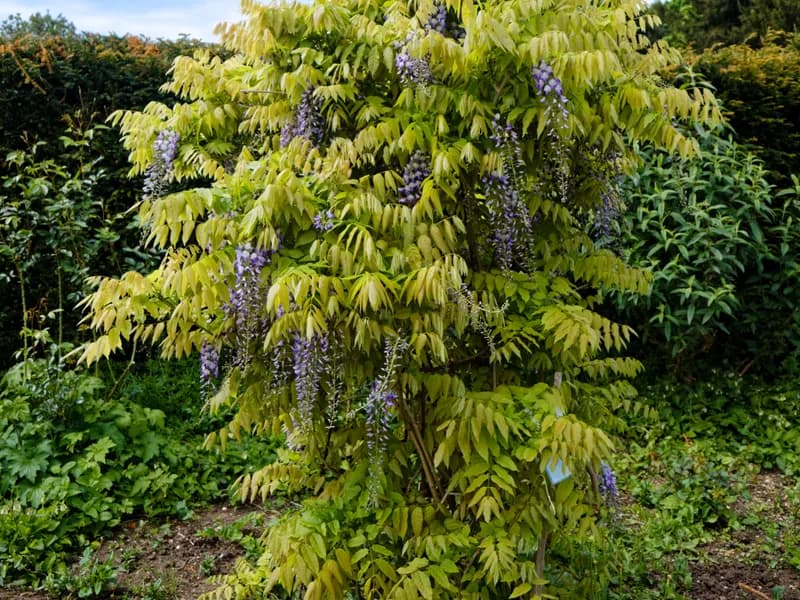
Wisteria spp.
Advertisement
Quick facts
| Toxic to dogs | Yes |
|---|---|
| Toxic to cats | Yes |
| Toxic to horses | Yes |
| Toxic component | Wisterin glycoside and lectins, concentrated in seeds and pods |
| Onset of symptoms | Within a few hours |
| Indoor / outdoor | outdoor |
If your pet ate this plant
Both lines are staffed 24/7. A consultation fee applies to each. Do not wait for symptoms to appear before calling.
Advertisement
Symptoms in dogs
- Vomiting
- Diarrhea (sometimes bloody)
- Abdominal pain
- Depression
Symptoms in cats
- Vomiting
- Diarrhea
- Abdominal pain
Advertisement
What to do
Contact a vet, especially if seed pods were eaten — GI upset can be significant though rarely life-threatening.
Toxic component and mechanism
The toxic component in Wisteria is wisterin glycoside and lectins, concentrated in seeds and pods.
Part-specific risk: Seeds and pods are more concentrated in toxins than flowers.
What makes this plant different
Wisteria's toxicity is concentrated in the seed pods, which develop later in the growing season and are easy to overlook once the spring flowers (the plant's main visual draw) have already faded — seasonal awareness matters more here than with plants that stay uniformly toxic year-round.
Plant identification
- Scientific name
- Wisteria spp.
- Family
- Fabaceae
- Also known as
- Wisteria
- Typically found
- outdoor
Pet-safe alternatives


Advertisement
Related plants

Dwarf Poinciana
Caesalpinia pulcherrima

Loco Weed
Astragalus spp.

Peacock Flower
Caesalpinia pulcherrima

Rosary Pea
Abrus precatorius

Sweet Pea
Lathyrus latifolius
Last verified: July 2, 2026 · Cross-referenced with ASPCA Animal Poison Control