Is Rosebay Toxic to Dogs and Cats? (2026)
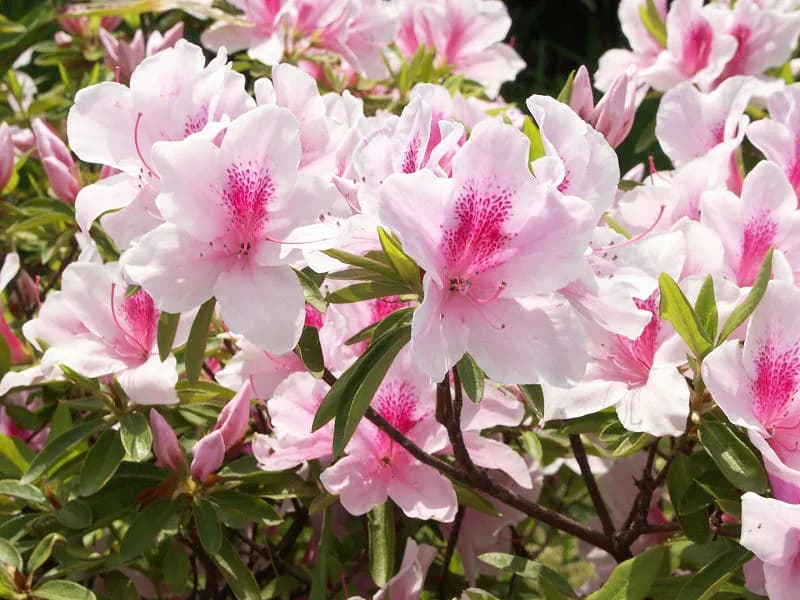
Rhododendron spp
Advertisement
Quick facts
| Toxic to dogs | Yes |
|---|---|
| Toxic to cats | Yes |
| Toxic to horses | Yes |
| Toxic component | Grayanotoxins |
| Onset of symptoms | Within a few hours |
| Indoor / outdoor | outdoor |
If your pet ate this plant
Both lines are staffed 24/7. A consultation fee applies to each. Do not wait for symptoms to appear before calling.
Advertisement
Symptoms in dogs
- Drooling
- Vomiting
- Weakness
- Abnormal heart rate
- Collapse
Symptoms in cats
- Drooling
- Vomiting
- Weakness
- Abnormal heart rhythm
Symptoms in horses
- Colic
- Weakness
- Abnormal heart rhythm
Advertisement
What to do
Treat as an emergency — grayanotoxins affect heart rhythm and can progress quickly even if the pet seems fine initially.
Toxic component and mechanism
The toxic component in Rosebay is grayanotoxins.
What makes this plant different
Rosebay is a traditional common name for Rhododendron, carrying the identical grayanotoxin risk as plants sold under the more common 'Azalea' or 'Rhododendron' labels.
Plant identification
- Scientific name
- Rhododendron spp
- Family
- Ericaceae
- Also known as
- Rosebay, Rhododendron, Azalea
- Typically found
- outdoor
Pet-safe alternatives


Advertisement
Related plants

Andromeda Japonica
Pieris japonica

Azalea
Rhododendron spp

Black Laurel
Leucothoe spp.
Bog Laurel
Kalmia poliifolia

Dog Hobble
Leucothoe sp.
Last verified: July 2, 2026 · Cross-referenced with ASPCA Animal Poison Control