Is Milkweed Toxic to Dogs and Cats? (2026)
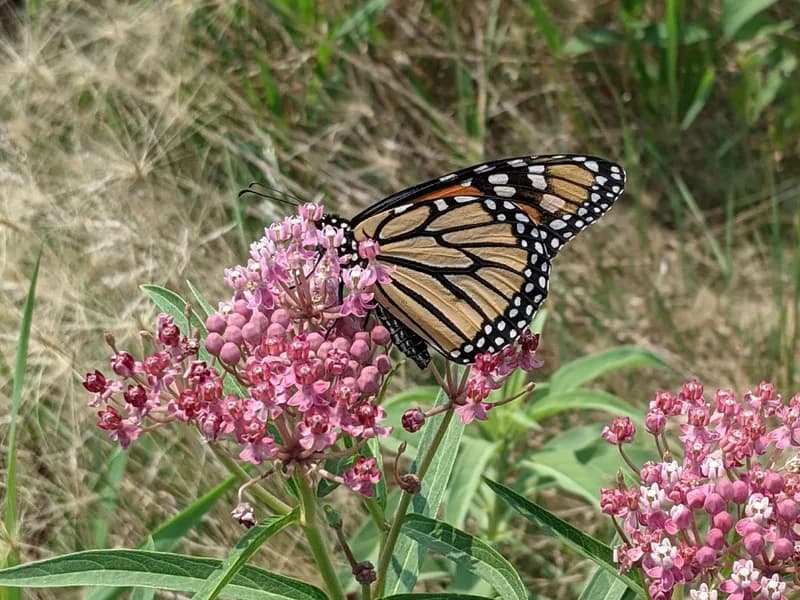
Asclepias species
Advertisement
Quick facts
| Toxic to dogs | Yes |
|---|---|
| Toxic to cats | Yes |
| Toxic to horses | Yes |
| Toxic component | Cardiac glycosides |
| Onset of symptoms | Within a few hours |
| Indoor / outdoor | both |
If your pet ate this plant
Both lines are staffed 24/7. A consultation fee applies to each. Do not wait for symptoms to appear before calling.
Advertisement
Symptoms in dogs
- Vomiting
- Diarrhea
- Abnormal heart rhythm
- Weakness
- Collapse
Symptoms in cats
- Vomiting
- Abnormal heart rhythm
- Weakness
- Collapse
Symptoms in horses
- Colic
- Abnormal heart rhythm
- Sudden death
Advertisement
What to do
Treat as an emergency and contact a vet immediately. Bitter taste usually limits how much is eaten, but any ingestion should be taken seriously given the cardiac risk.
Toxic component and mechanism
The toxic component in Milkweed is cardiac glycosides.
What makes this plant different
Milkweed's bitter taste is thought to be a natural defense that usually limits how much a pet eats in one sitting — but this is not a reliable safety margin, since the cardiac glycosides are potent enough that even a modest ingestion warrants emergency evaluation.
Plant identification
- Scientific name
- Asclepias species
- Family
- Asclepiadaceae
- Also known as
- Milkweed
- Typically found
- both
Pet-safe alternatives
Advertisement
Related plants
African Wonder Tree
Ricinus communis
American Mandrake
Podophyllum peltatum
American Yew
Taxus canadensus
Andromeda Japonica
Pieris japonica
Asian Lily
Lilium asiatica
See all Asclepiadaceae plants →
Last verified: July 2, 2026 · Cross-referenced with ASPCA Animal Poison Control