Is Chamomile Toxic to Dogs and Cats? (2026)
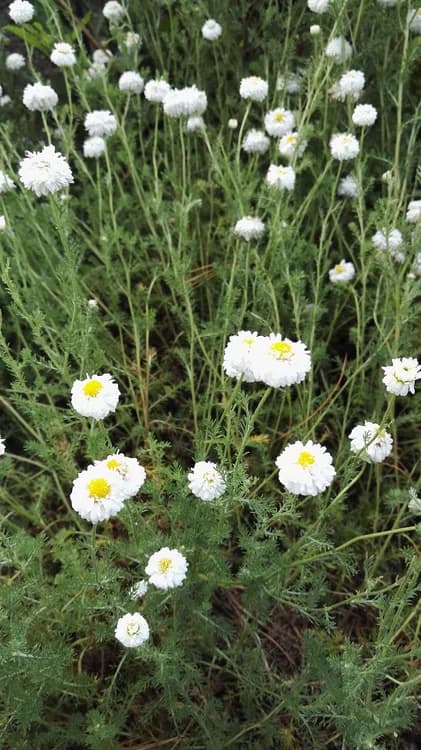
Anthemis nobilis
Advertisement
Quick facts
| Toxic to dogs | Yes |
|---|---|
| Toxic to cats | Yes |
| Toxic to horses | No |
| Toxic component | Sesquiterpene lactones (related to the ragweed/daisy family) |
| Onset of symptoms | Within a few hours |
| Indoor / outdoor | outdoor |
If your pet ate this plant
Both lines are staffed 24/7. A consultation fee applies to each. Do not wait for symptoms to appear before calling.
Advertisement
Symptoms in dogs
- Vomiting
- Diarrhea
- Allergic skin reaction in sensitive individuals
Symptoms in cats
- Vomiting
- Diarrhea
- Allergic skin reaction in sensitive individuals
Advertisement
What to do
Usually mild and self-limiting; pets with known ragweed or daisy-family allergies may react more strongly.
Toxic component and mechanism
The toxic component in Chamomile is sesquiterpene lactones (related to the ragweed/daisy family).
What makes this plant different
Chamomile's reputation as a calming herbal tea ingredient doesn't fully extend to pet safety — it belongs to the same plant family as ragweed, so pets with a known ragweed or daisy allergy may react more strongly than the 'mild' classification suggests for an average pet.
Plant identification
- Scientific name
- Anthemis nobilis
- Family
- Compositae
- Also known as
- Chamomile, Manzanilla, Garden Chamomile, Roman Chamomile, True Chamomile
- Typically found
- outdoor
Pet-safe alternatives


Advertisement
Related plants

African Daisy
Gerbera jamesonii

Barberton Daisy
Gerbera jamesonii

Barnaby's Thistle
Centaurea solstitialis

Blue Daisy
Felicia amelloides

Chrysanthemum
Chrysanthemum spp.
Last verified: July 2, 2026 · Cross-referenced with ASPCA Animal Poison Control