Is Chrysanthemum Toxic to Dogs and Cats? (2026)
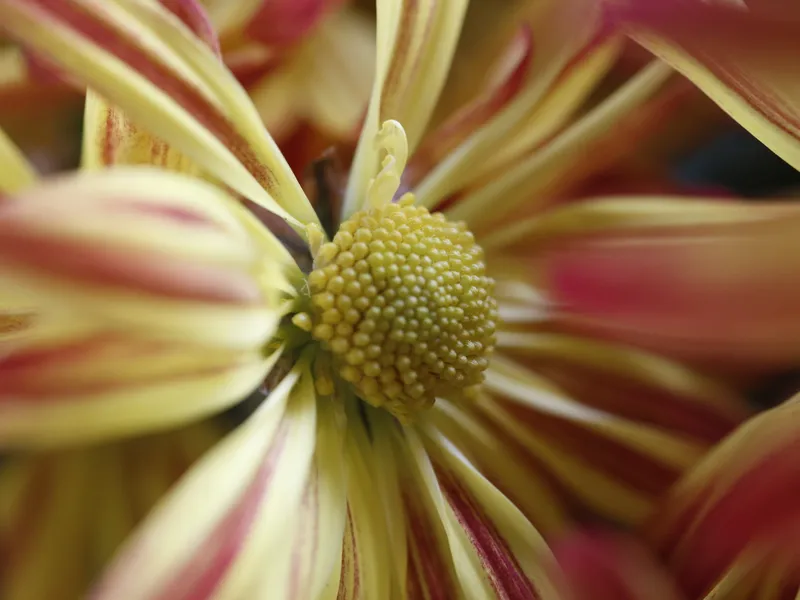
Chrysanthemum spp.
Advertisement
Quick facts
| Toxic to dogs | Yes |
|---|---|
| Toxic to cats | Yes |
| Toxic to horses | Yes |
| Toxic component | Pyrethrins and sesquiterpene lactones |
| Onset of symptoms | Within a few hours |
| Indoor / outdoor | both |
If your pet ate this plant
Both lines are staffed 24/7. A consultation fee applies to each. Do not wait for symptoms to appear before calling.
Advertisement
Symptoms in dogs
- Drooling
- Vomiting
- Diarrhea
- Skin irritation from contact
Symptoms in cats
- Drooling
- Vomiting
- Diarrhea
- Skin irritation from contact
Advertisement
What to do
Usually resolves with monitoring and access to water; contact a vet if symptoms are severe or persistent.
Toxic component and mechanism
The toxic component in Chrysanthemum is pyrethrins and sesquiterpene lactones.
What makes this plant different
Chrysanthemums are a natural source of pyrethrins, the same class of compound used in many flea and tick products — which means a pet with an existing pyrethrin sensitivity from topical flea treatments could theoretically react more strongly to the plant as well, though this hasn't been formally studied.
Plant identification
- Scientific name
- Chrysanthemum spp.
- Family
- Compositae
- Also known as
- Chrysanthemum, Daisy, Mum; many varieties
- Typically found
- both
Pet-safe alternatives
Advertisement
Related plants
African Daisy
Gerbera jamesonii
Barberton Daisy
Gerbera jamesonii
Barnaby's Thistle
Centaurea solstitialis
Blue Daisy
Felicia amelloides
Chamomile
Anthemis nobilis
Last verified: July 2, 2026 · Cross-referenced with ASPCA Animal Poison Control