Is St. John's Wort Toxic to Dogs and Cats? (2026)
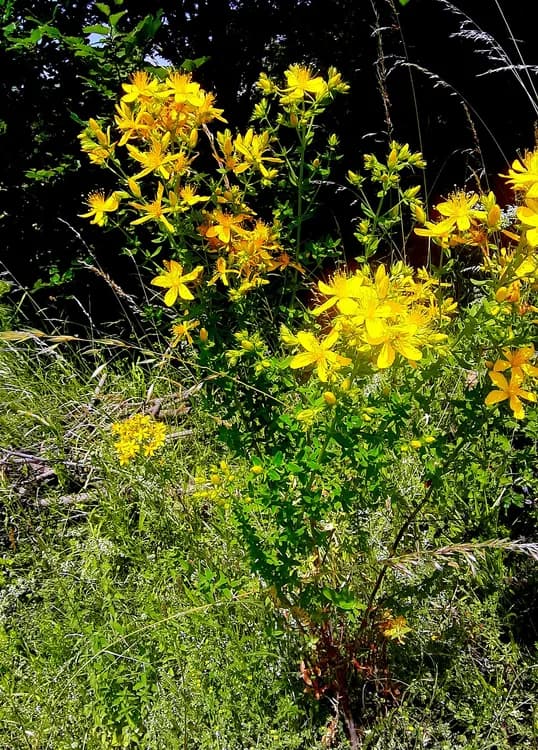
Hypericum perforatum
Advertisement
Quick facts
| Toxic to dogs | Yes |
|---|---|
| Toxic to cats | Yes |
| Toxic to horses | Yes |
| Toxic component | Hypericin (causes skin photosensitization) |
| Onset of symptoms | Skin reaction over 24-48 hours after ingestion plus sun exposure |
| Indoor / outdoor | outdoor |
If your pet ate this plant
Both lines are staffed 24/7. A consultation fee applies to each. Do not wait for symptoms to appear before calling.
Advertisement
Symptoms in dogs
- Skin redness/burns in sun-exposed, light-pigmented skin after ingestion
- Mild GI upset
Symptoms in cats
- Skin redness/burns in sun-exposed, light-pigmented skin after ingestion
- Mild GI upset
Advertisement
What to do
Keep the pet out of direct sunlight if it has eaten this plant, especially pets with light or thin fur/skin. This is the same herb sold as the supplement St. John's Wort — the photosensitization risk applies to the whole plant, not just extracts.
Toxic component and mechanism
The toxic component in St. John's Wort is hypericin (causes skin photosensitization).
What makes this plant different
The wild plant and the popular herbal supplement are the same species — hypericin causes photosensitization in both forms, so a light-skinned or thin-coated pet with outdoor access to this weed carries the same sunburn-like risk as one given the supplement directly.
Plant identification
- Scientific name
- Hypericum perforatum
- Family
- Clusiaceae
- Also known as
- St. John's Wort, Klamath Weed
- Typically found
- outdoor
Pet-safe alternatives


Advertisement
Related plants

Clusia Rosea
Clusia major

Klamath Weed
Hypericum perforatum

Adam-and-Eve
Arum maculatum

American Holly
Ilex opaca

Arrow-Head Vine
Syngonium podophyllum
Last verified: July 2, 2026 · Cross-referenced with ASPCA Animal Poison Control