Is Snake Plant Toxic to Dogs and Cats? (2026)
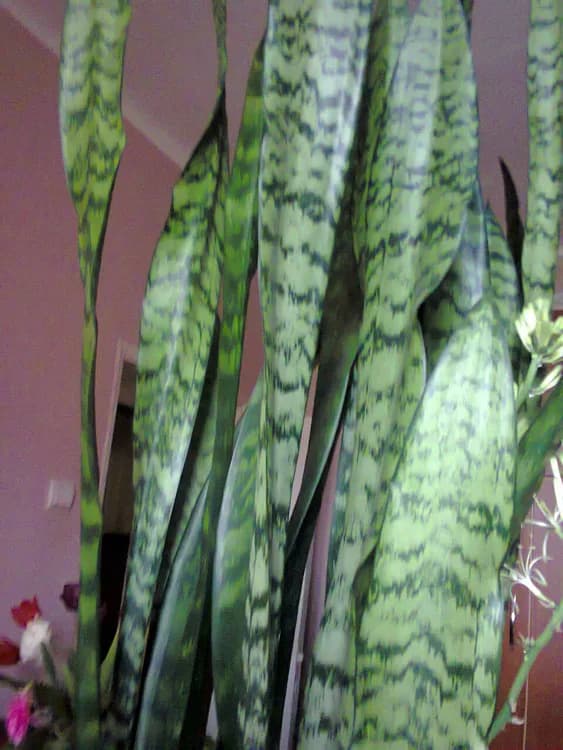
Sansevieria trifasciata
Advertisement
Quick facts
| Toxic to dogs | Yes |
|---|---|
| Toxic to cats | Yes |
| Toxic to horses | No |
| Toxic component | Saponins |
| Onset of symptoms | Within a few hours |
| Indoor / outdoor | indoor |
If your pet ate this plant
Both lines are staffed 24/7. A consultation fee applies to each. Do not wait for symptoms to appear before calling.
Advertisement
Symptoms in dogs
- Mild vomiting
- Diarrhea
- Drooling
Symptoms in cats
- Mild vomiting
- Diarrhea
- Drooling
Advertisement
What to do
Usually resolves within a day without treatment; contact a vet if symptoms persist.
Toxic component and mechanism
The toxic component in Snake Plant is saponins.
What makes this plant different
Snake Plant is marketed as one of the hardiest, most forgiving houseplants available, and that reputation for toughness sometimes gets mistakenly extended to pet safety — it is mildly toxic due to saponins, just at a severity low enough that most cases resolve without veterinary intervention.
Plant identification
- Scientific name
- Sansevieria trifasciata
- Family
- Agavaceae
- Also known as
- Snake Plant, Golden Bird's Nest, Mother-in-Law's Tongue, Good Luck Plant
- Typically found
- indoor
Advertisement
Related plants

Baby Doll Ti Plant
Cordyline terminalis

Bottle Palm
Beaucarnea recurvata

Dracaena
Dracaena spp.

Giant Dracaena
Cordyline australis

Yucca
Yucca spp.
Last verified: July 2, 2026 · Cross-referenced with ASPCA Animal Poison Control