Is Baby Doll Ti Plant Toxic to Dogs and Cats? (2026)
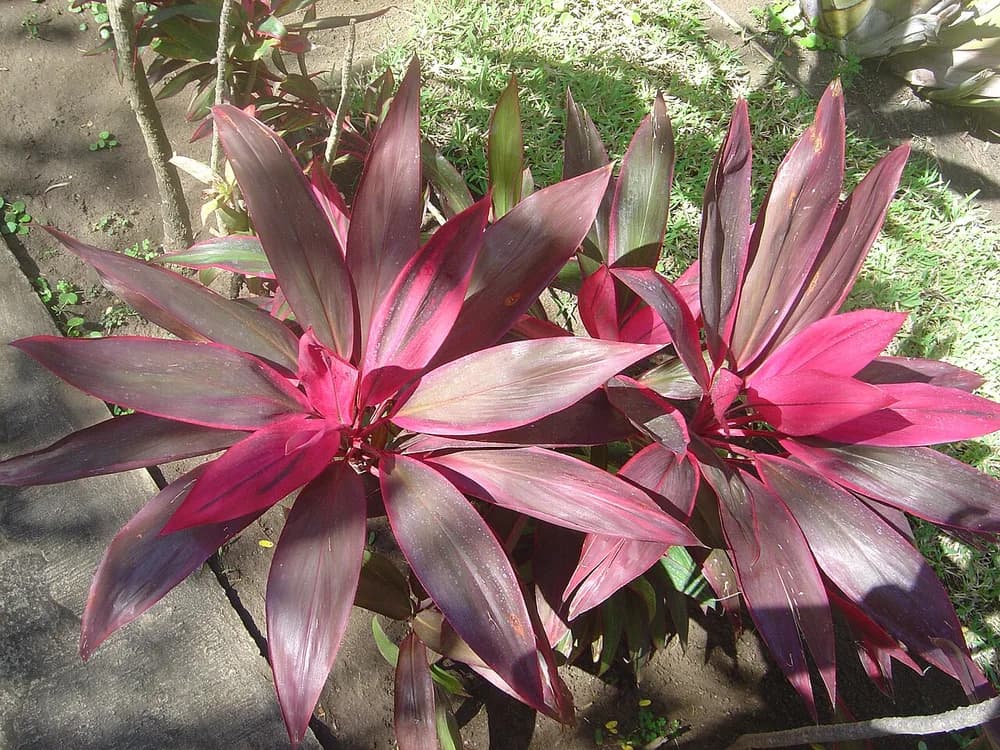
Cordyline terminalis
Advertisement
Quick facts
| Toxic to dogs | Yes |
|---|---|
| Toxic to cats | Yes |
| Toxic to horses | Yes |
| Toxic component | Saponins |
| Onset of symptoms | Within a few hours |
| Indoor / outdoor | indoor |
If your pet ate this plant
Both lines are staffed 24/7. A consultation fee applies to each. Do not wait for symptoms to appear before calling.
Advertisement
Symptoms in dogs
- Vomiting
- Diarrhea
- Drooling
- Lack of appetite
Symptoms in cats
- Vomiting
- Diarrhea
- Drooling
- Dilated pupils (cats specifically)
Advertisement
What to do
Usually resolves within a day with monitoring; contact a vet if vomiting is severe or persistent.
Toxic component and mechanism
The toxic component in Baby Doll Ti Plant is saponins.
What makes this plant different
Ti Plant's colorful red-and-green leaves are popular in tropical floral arrangements — the mild saponin toxicity means an arrangement containing Ti Plant leaves poses a real but modest risk to a curious pet, distinct from truly dangerous holiday plants like Lily or Oleander.
Plant identification
- Scientific name
- Cordyline terminalis
- Family
- Agavaceae
- Also known as
- Baby Doll Ti Plant, Ti-Plant, Good-Luck Plant, Hawaiian Ti Plant
- Typically found
- indoor
Advertisement
Related plants

Bottle Palm
Beaucarnea recurvata

Dracaena
Dracaena spp.

Giant Dracaena
Cordyline australis

Snake Plant
Sansevieria trifasciata

Yucca
Yucca spp.
Last verified: July 2, 2026 · Cross-referenced with ASPCA Animal Poison Control