Is Onion Toxic to Dogs and Cats? (2026)
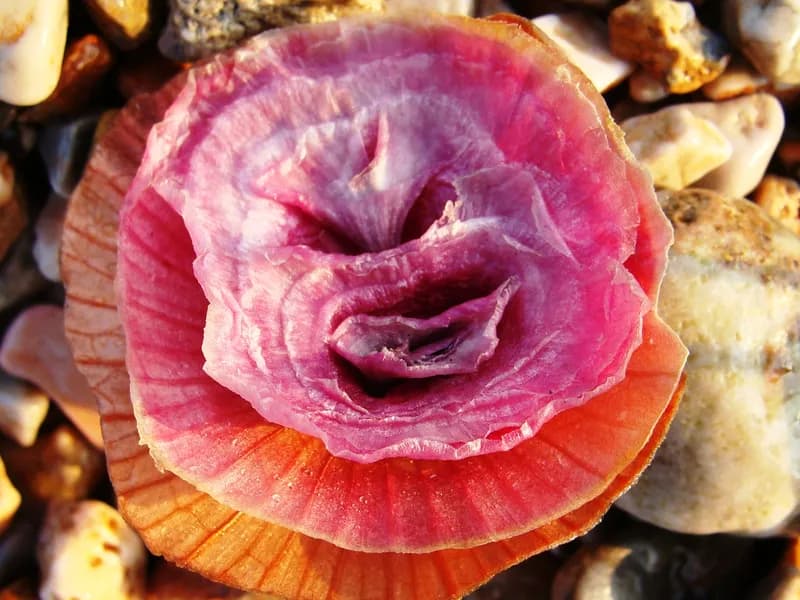
Allium cepa
Advertisement
Quick facts
| Toxic to dogs | Yes |
|---|---|
| Toxic to cats | Yes |
| Toxic to horses | Yes |
| Toxic component | Thiosulfates and organosulfur compounds (damage red blood cells) |
| Onset of symptoms | GI signs within hours; anemia can take several days to appear |
| Indoor / outdoor | outdoor |
If your pet ate this plant
Both lines are staffed 24/7. A consultation fee applies to each. Do not wait for symptoms to appear before calling.
Advertisement
Symptoms in dogs
- Vomiting
- Diarrhea
- Lethargy
- Pale gums
- Elevated heart rate (delayed anemia)
Symptoms in cats
- Vomiting
- Lethargy
- Pale gums
- Elevated heart rate (delayed anemia)
Advertisement
What to do
Contact a vet, especially for repeated or concentrated exposure (garlic powder, sauces). Cats are more sensitive than dogs. Blood cell damage can appear days after ingestion, so a normal first day doesn't rule out a problem.
Toxic component and mechanism
The toxic component in Onion is thiosulfates and organosulfur compounds (damage red blood cells).
What makes this plant different
Onion shares garlic's thiosulfate-driven red-blood-cell damage but at a somewhat lower per-gram concentration — cooked, powdered, and dehydrated forms (as in many soups and sauces) are more concentrated than raw onion by volume, which is why table scraps are a common accidental exposure route.
Plant identification
- Scientific name
- Allium cepa
- Family
- Liliaceae
- Also known as
- Onion
- Typically found
- outdoor
Pet-safe alternatives
Advertisement
Related plants
Aloe
Aloe vera
Asian Lily
Lilium asiatica
Asparagus Fern
Asparagus densiflorus cv sprengeri
Autumn Crocus
Colchicum autumnale
Bamboo Vine
Smilax laurifolia
Last verified: July 2, 2026 · Cross-referenced with ASPCA Animal Poison Control