Is Nicotiana Toxic to Dogs and Cats? (2026)
Nicotiana glauca
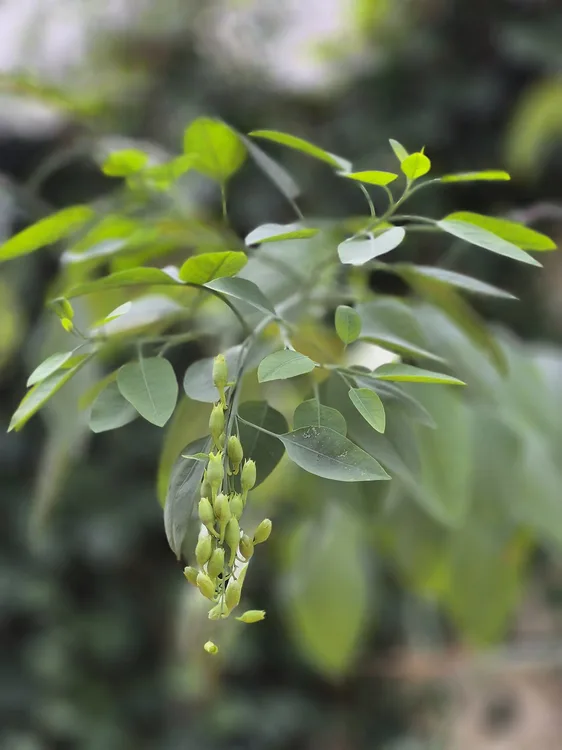
Advertisement
Quick facts
| Toxic to dogs | Yes |
|---|---|
| Toxic to cats | Yes |
| Toxic to horses | Yes |
| Toxic component | Nicotine and related alkaloids |
| Onset of symptoms | Within an hour — nicotine is rapidly absorbed |
| Indoor / outdoor | outdoor |
If your pet ate this plant
Both lines are staffed 24/7. A consultation fee applies to each. Do not wait for symptoms to appear before calling.
Advertisement
Symptoms in dogs
- Drooling
- Vomiting
- Diarrhea
- Elevated heart rate then depression
- Tremors
- Seizures with large ingestion
Symptoms in cats
- Drooling
- Vomiting
- Elevated heart rate then depression
- Tremors
Advertisement
What to do
Treat as an emergency for significant ingestion — nicotine acts quickly and can affect heart rate and the nervous system in a biphasic pattern (stimulation followed by depression).
Toxic component and mechanism
The toxic component in Nicotiana is nicotine and related alkaloids.
What makes this plant different
Ornamental Nicotiana (Tree Tobacco) contains real nicotine, and its rapid absorption means symptoms can progress faster than with many slower-acting plant toxins — a reminder that decorative tobacco relatives carry the same core chemistry as the cigarette plant, just packaged as a garden flower.
Plant identification
- Scientific name
- Nicotiana glauca
- Family
- Solanaceae
- Also known as
- Nicotiana, Tree Tobacco, Tobacco, Mustard Tree
- Typically found
- outdoor
Pet-safe alternatives


Advertisement
Related plants

Black Nightshade
Solanum nigrum

Brunfelsia
Brunfelsia species

Climbing Nightshade
Solanum dulcamara

Deadly Nightshade
Solanum spp

Jerusalem Cherry
Solanum pseudocapsicum
Last verified: July 2, 2026 · Cross-referenced with ASPCA Animal Poison Control