Is Meadow Saffron Toxic to Dogs and Cats? (2026)
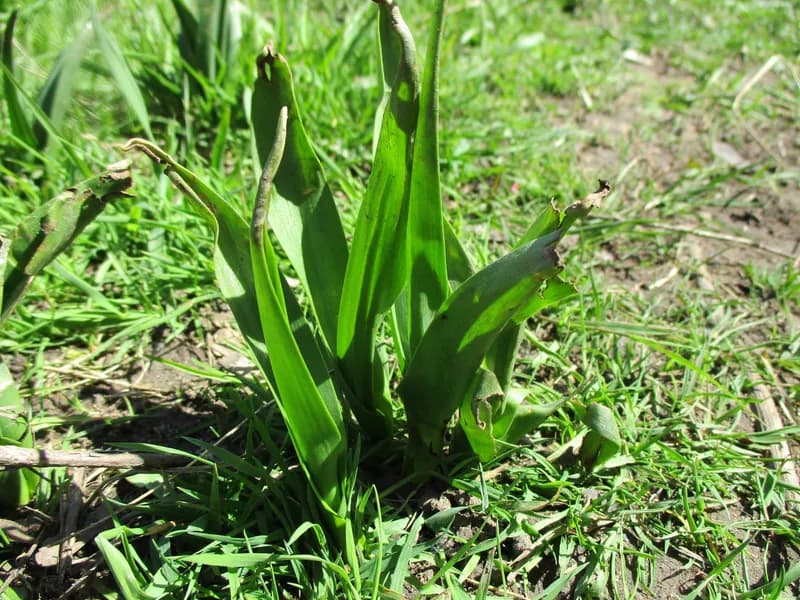
Colchicum autumnale
Advertisement
Quick facts
| Toxic to dogs | Yes |
|---|---|
| Toxic to cats | Yes |
| Toxic to horses | Yes |
| Toxic component | Colchicine |
| Onset of symptoms | Hours for initial symptoms; organ damage peaks over following days |
| Indoor / outdoor | outdoor |
If your pet ate this plant
Both lines are staffed 24/7. A consultation fee applies to each. Do not wait for symptoms to appear before calling.
Advertisement
Symptoms in dogs
- Severe vomiting
- Bloody diarrhea
- Seizures
- Multi-organ damage
Symptoms in cats
- Severe vomiting
- Bloody diarrhea
- Multi-organ damage
Symptoms in horses
- Colic
- Diarrhea
- Organ damage
Advertisement
What to do
Seek emergency care immediately — organ damage can be delayed and isn't apparent from early symptoms alone.
Toxic component and mechanism
The toxic component in Meadow Saffron is colchicine.
What makes this plant different
Autumn Crocus is frequently confused with true saffron crocus (Crocus sativus), a much less dangerous spring-blooming relative sold under overlapping 'crocus' nursery labels. This mix-up matters because colchicine poisoning has a delayed, multi-day organ damage profile that generic 'crocus is mildly toxic' advice does not capture.
Plant identification
- Scientific name
- Colchicum autumnale
- Family
- Liliaceae
- Also known as
- Meadow Saffron, Autumn Crocus
- Typically found
- outdoor
Pet-safe alternatives


Advertisement
Related plants

Aloe
Aloe vera

Asian Lily
Lilium asiatica

Asparagus Fern
Asparagus densiflorus cv sprengeri

Autumn Crocus
Colchicum autumnale

Bamboo Vine
Smilax laurifolia
Last verified: July 2, 2026 · Cross-referenced with ASPCA Animal Poison Control