Is Hydrangea Toxic to Dogs and Cats? (2026)
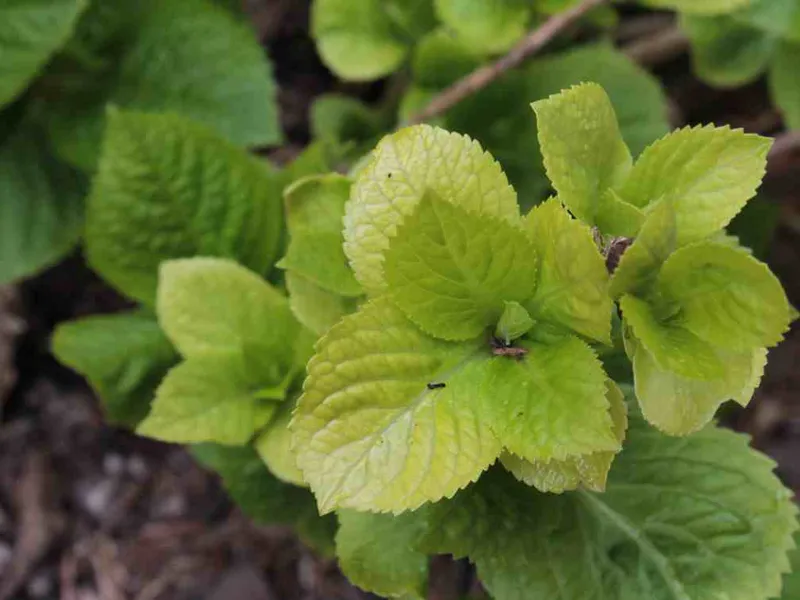
Hydrangea arborescens
Advertisement
Quick facts
| Toxic to dogs | Yes |
|---|---|
| Toxic to cats | Yes |
| Toxic to horses | Yes |
| Toxic component | Cyanogenic glycosides |
| Onset of symptoms | A few hours |
| Indoor / outdoor | outdoor |
If your pet ate this plant
Both lines are staffed 24/7. A consultation fee applies to each. Do not wait for symptoms to appear before calling.
Advertisement
Symptoms in dogs
- Vomiting
- Diarrhea
- Lethargy
Symptoms in cats
- Vomiting
- Diarrhea
- Lethargy
Advertisement
What to do
Large ingestions carry a theoretical cyanide risk but clinical cases are rare and typically mild GI upset; contact a vet if a large amount of flower buds/leaves was eaten.
Toxic component and mechanism
The toxic component in Hydrangea is cyanogenic glycosides.
What makes this plant different
Hydrangea's cyanogenic glycosides sound alarming, but clinical toxicology reports describe mostly mild GI upset in real cases — the flower buds carry a higher theoretical concentration than open blooms, but severe cyanide poisoning from ornamental hydrangea in pets is genuinely rare.
Plant identification
- Scientific name
- Hydrangea arborescens
- Family
- Hydrangeaceae
- Also known as
- Hydrangea, Hortensia, Hills of Snow, Seven Bark
- Typically found
- outdoor
Pet-safe alternatives
Advertisement
Related plants
Adam-and-Eve
Arum maculatum
American Holly
Ilex opaca
Arrow-Head Vine
Syngonium podophyllum
Arum
Arum maculatum
Arum Lily
Zantedeschia aethiopica
See all Hydrangeaceae plants →
Last verified: July 2, 2026 · Cross-referenced with ASPCA Animal Poison Control