Is Grapefruit Toxic to Dogs and Cats? (2026)
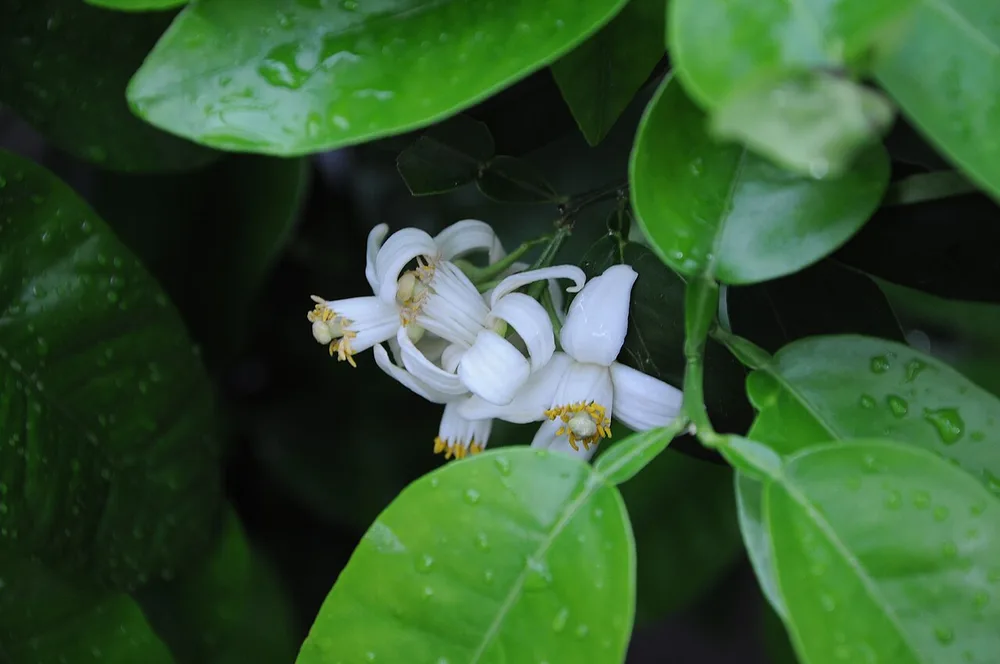
Citrus paradisii
Advertisement
Quick facts
| Toxic to dogs | Yes |
|---|---|
| Toxic to cats | Yes |
| Toxic to horses | No |
| Toxic component | Essential oils (limonene) and psoralens, concentrated in the peel and seeds |
| Onset of symptoms | Within a few hours |
| Indoor / outdoor | both |
If your pet ate this plant
Both lines are staffed 24/7. A consultation fee applies to each. Do not wait for symptoms to appear before calling.
Advertisement
Symptoms in dogs
- Vomiting
- Diarrhea
- Drooling
- Skin irritation or photosensitivity from peel oil on skin
Symptoms in cats
- Vomiting
- Diarrhea
- Drooling
Advertisement
What to do
The peel and seeds are more concentrated in irritants than the fruit itself; usually resolves with monitoring.
Toxic component and mechanism
The toxic component in Grapefruit is essential oils (limonene) and psoralens, concentrated in the peel and seeds.
Part-specific risk: Peeled, seedless fruit flesh in small amounts is much lower risk than peel, seeds, or leaves.
What makes this plant different
Grapefruit peel and seeds carry a higher concentration of the mildly toxic psoralens and essential oils than other common citrus, though clinical cases in pets remain generally mild.
Plant identification
- Scientific name
- Citrus paradisii
- Family
- Rutaceae
- Also known as
- Grapefruit
- Typically found
- both
Pet-safe alternatives


Advertisement
Related plants

Bergamot Orange
Citrus Aurantium

Calamondin Orange
Citrus mitis

Orange
Citrus sinensis

Adam-and-Eve
Arum maculatum

American Holly
Ilex opaca
Last verified: July 2, 2026 · Cross-referenced with ASPCA Animal Poison Control