Is Bergamot Orange Toxic to Dogs and Cats? (2026)
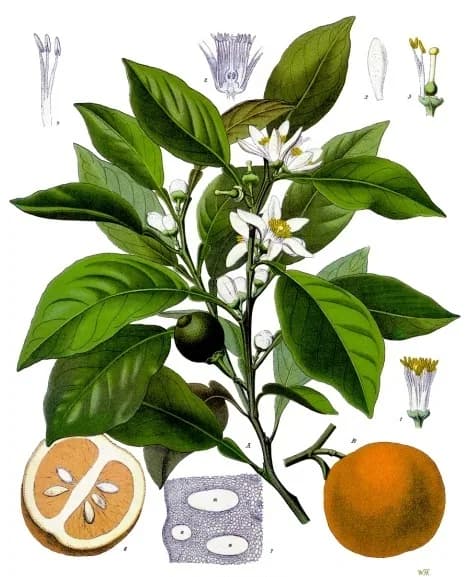
Citrus Aurantium
Advertisement
Quick facts
| Toxic to dogs | Yes |
|---|---|
| Toxic to cats | Yes |
| Toxic to horses | Yes |
| Toxic component | Essential oils (limonene) and psoralens, concentrated in the peel and seeds |
| Onset of symptoms | Within a few hours |
| Indoor / outdoor | both |
If your pet ate this plant
Both lines are staffed 24/7. A consultation fee applies to each. Do not wait for symptoms to appear before calling.
Advertisement
Symptoms in dogs
- Vomiting
- Diarrhea
- Drooling
- Skin irritation or photosensitivity from peel oil on skin
Symptoms in cats
- Vomiting
- Diarrhea
- Drooling
Advertisement
What to do
The peel and seeds are more concentrated in irritants than the fruit itself; usually resolves with monitoring.
Toxic component and mechanism
The toxic component in Bergamot Orange is essential oils (limonene) and psoralens, concentrated in the peel and seeds.
Part-specific risk: Peeled, seedless fruit flesh in small amounts is much lower risk than peel, seeds, or leaves.
What makes this plant different
Bergamot Orange is grown primarily for its peel oil (used in Earl Grey tea and perfumery) rather than as fruit — that concentrated peel oil is exactly the plant part with the highest psoralen and limonene content, making commercial bergamot products a more concentrated exposure than garden citrus fruit.
Plant identification
- Scientific name
- Citrus Aurantium
- Family
- Rutaceae
- Also known as
- Bergamot Orange, Bergamot, Citrus bergamia
- Typically found
- both
Pet-safe alternatives


Advertisement
Related plants

Calamondin Orange
Citrus mitis

Grapefruit
Citrus paradisii

Orange
Citrus sinensis

Adam-and-Eve
Arum maculatum

American Holly
Ilex opaca
Last verified: July 2, 2026 · Cross-referenced with ASPCA Animal Poison Control