Is Garlic Toxic to Dogs and Cats? (2026)
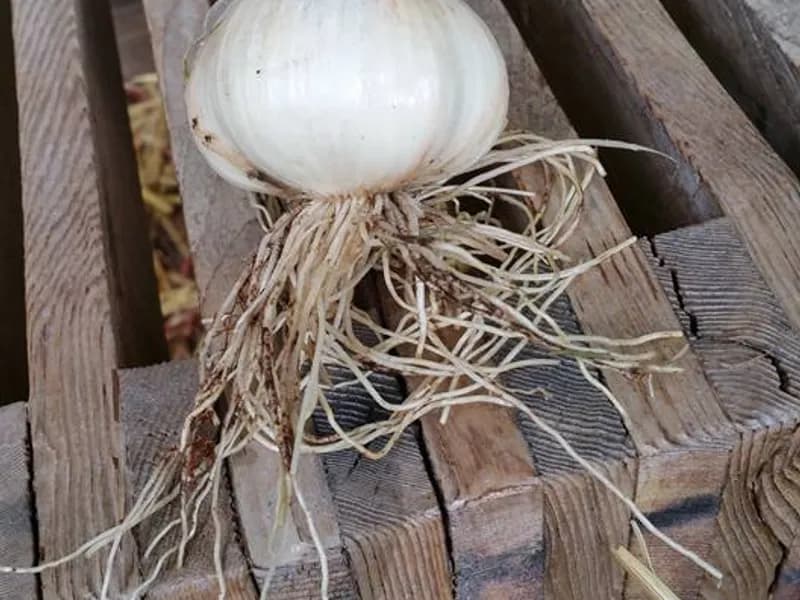
Allium sativum
Advertisement
Quick facts
| Toxic to dogs | Yes |
|---|---|
| Toxic to cats | Yes |
| Toxic to horses | Yes |
| Toxic component | Thiosulfates and organosulfur compounds (damage red blood cells) |
| Onset of symptoms | GI signs within hours; anemia can take several days to appear |
| Indoor / outdoor | outdoor |
If your pet ate this plant
Both lines are staffed 24/7. A consultation fee applies to each. Do not wait for symptoms to appear before calling.
Advertisement
Symptoms in dogs
- Vomiting
- Diarrhea
- Lethargy
- Pale gums
- Elevated heart rate (delayed anemia)
Symptoms in cats
- Vomiting
- Lethargy
- Pale gums
- Elevated heart rate (delayed anemia)
Advertisement
What to do
Contact a vet, especially for repeated or concentrated exposure (garlic powder, sauces). Cats are more sensitive than dogs. Blood cell damage can appear days after ingestion, so a normal first day doesn't rule out a problem.
Toxic component and mechanism
The toxic component in Garlic is thiosulfates and organosulfur compounds (damage red blood cells).
What makes this plant different
Garlic is roughly five times more concentrated in the red-blood-cell-damaging thiosulfates than onion, gram for gram, which is why 'a little garlic powder' in table scraps is a more common poisoning route than owners expect. The anemia this causes is delayed by several days, so a pet that seems fine the day after exposure is not necessarily in the clear.
Plant identification
- Scientific name
- Allium sativum
- Family
- Liliaceae
- Also known as
- Garlic, Stinking Rose, Rustic Treacle
- Typically found
- outdoor
Pet-safe alternatives
Advertisement
Related plants
Aloe
Aloe vera
Asian Lily
Lilium asiatica
Asparagus Fern
Asparagus densiflorus cv sprengeri
Autumn Crocus
Colchicum autumnale
Bamboo Vine
Smilax laurifolia
Last verified: July 2, 2026 · Cross-referenced with ASPCA Animal Poison Control