Is English Holly Toxic to Dogs and Cats? (2026)
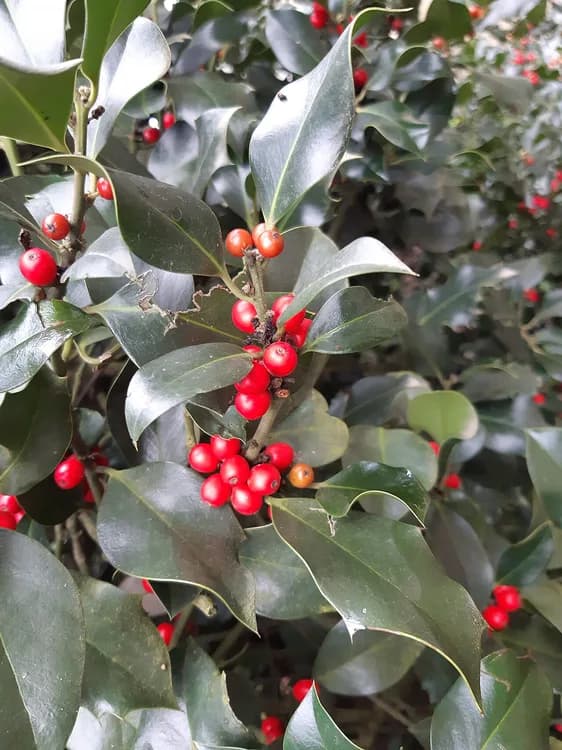
Ilex aquifolium
Advertisement
Quick facts
| Toxic to dogs | Yes |
|---|---|
| Toxic to cats | Yes |
| Toxic to horses | Yes |
| Toxic component | Saponins and methylxanthines |
| Onset of symptoms | Within a few hours |
| Indoor / outdoor | outdoor |
If your pet ate this plant
Both lines are staffed 24/7. A consultation fee applies to each. Do not wait for symptoms to appear before calling.
Advertisement
Symptoms in dogs
- Vomiting
- Diarrhea
- Drooling
- Lip smacking
- Head shaking
Symptoms in cats
- Vomiting
- Diarrhea
- Drooling
Advertisement
What to do
The spiny leaves often cause more mechanical mouth irritation than the mild toxin itself; berries are the more commonly ingested part. Usually resolves with monitoring.
Toxic component and mechanism
The toxic component in English Holly is saponins and methylxanthines.
What makes this plant different
English Holly's bright red berries are the most commonly ingested part (leaves are usually too sharp to eat comfortably), and while attractive to curious pets around the winter holidays, cause only mild GI upset in typical amounts.
Plant identification
- Scientific name
- Ilex aquifolium
- Family
- Aquifoliaceae
- Also known as
- English Holly, European Holly, Oregon Holly, Inkberry, Winterberry, American Holly
- Typically found
- outdoor
Pet-safe alternatives


Advertisement
Related plants

American Holly
Ilex opaca

Holly
Ilex opaca

Adam-and-Eve
Arum maculatum

Arrow-Head Vine
Syngonium podophyllum

Arum
Arum maculatum
See all Aquifoliaceae plants →
Last verified: July 2, 2026 · Cross-referenced with ASPCA Animal Poison Control