Is Confederate Jasmine Toxic to Dogs and Cats? (2026)
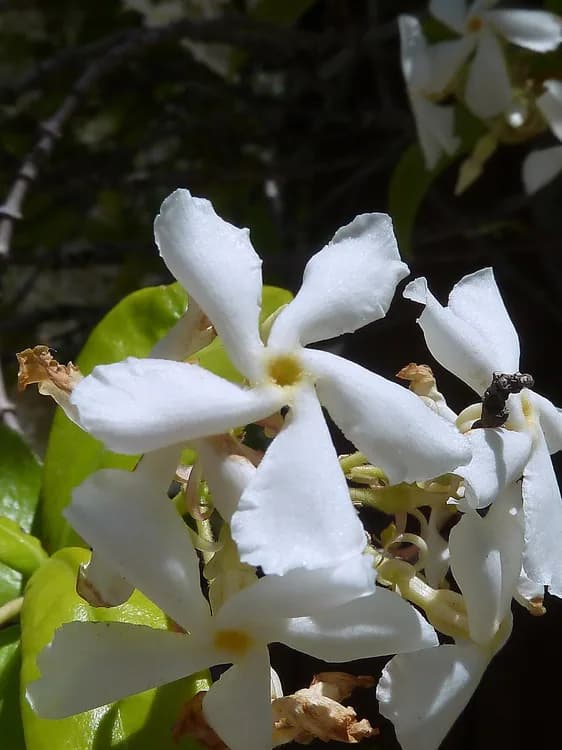
Trachelospermum jasminoides
Advertisement
Quick facts
| Toxic to dogs | Yes |
|---|---|
| Toxic to cats | Yes |
| Toxic to horses | No |
| Toxic component | Cardiac glycosides (a milder relative of the Apocynaceae family that includes Oleander and Periwinkle) |
| Onset of symptoms | Within a few hours |
| Indoor / outdoor | outdoor |
If your pet ate this plant
Both lines are staffed 24/7. A consultation fee applies to each. Do not wait for symptoms to appear before calling.
Advertisement
Symptoms in dogs
- Vomiting
- Diarrhea
- Abnormal heart rhythm with large ingestion
Symptoms in cats
- Vomiting
- Diarrhea
- Abnormal heart rhythm with large ingestion
Advertisement
What to do
Contact a vet — GI upset is most common, but this plant shares a chemical family with Oleander, so cardiac monitoring is warranted for larger ingestions.
Toxic component and mechanism
The toxic component in Confederate Jasmine is cardiac glycosides (a milder relative of the apocynaceae family that includes oleander and periwinkle).
What makes this plant different
Confederate Jasmine's intensely fragrant white flowers make it a popular trellis and fence-covering vine, and despite the delicate appearance, it belongs to the same Apocynaceae family as Oleander and Periwinkle — sharing a real, if milder, cardiac glycoside risk that its popularity as a fragrant garden plant tends to obscure.
Plant identification
- Scientific name
- Trachelospermum jasminoides
- Family
- Apocynaceae
- Also known as
- Confederate Jasmine, Star Jasmine
- Typically found
- outdoor
Pet-safe alternatives


Advertisement
Related plants

Bitter Root
Apocynum androsaemifolium

Desert Azalea
Adenium obesum

Desert Rose
Adenium obesum

Dogbane Hemp
Apocynum spp.

Oleander
Nerium oleander
Last verified: July 2, 2026 · Cross-referenced with ASPCA Animal Poison Control