Is Carolina Maple Toxic to Dogs and Cats? (2026)
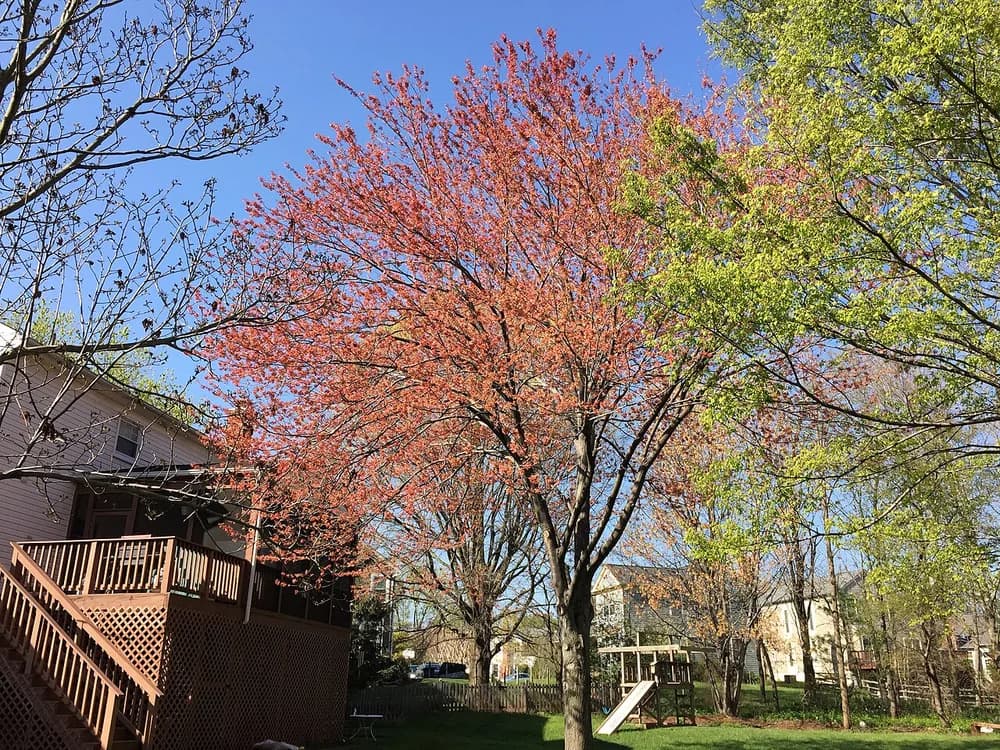
Acer rubrum
Advertisement
Quick facts
| Toxic to dogs | No |
|---|---|
| Toxic to cats | No |
| Toxic to horses | Yes |
| Toxic component | Gallic acid derivatives (cause oxidative red blood cell damage, primarily documented in horses) |
| Onset of symptoms | Wilted or dried leaves are far more dangerous than fresh ones — often 1-2 days after a horse eats fallen, wilted leaves such as after a storm |
| Indoor / outdoor | outdoor |
If your pet ate this plant
Both lines are staffed 24/7. A consultation fee applies to each. Do not wait for symptoms to appear before calling.
Advertisement
Symptoms in horses
- Hemolytic anemia
- Dark red-brown urine
- Weakness
- Colic
- Can be fatal
Advertisement
What to do
This is specifically a horse hazard, most dangerous with wilted or dried leaves (as after a fallen branch or in autumn leaf litter) — fresh leaves on a healthy tree are much lower risk. Not established as a dog or cat toxin.
Toxic component and mechanism
The toxic component in Carolina Maple is gallic acid derivatives (cause oxidative red blood cell damage, primarily documented in horses).
What makes this plant different
Carolina Maple is simply a regional common name for Red Maple (Acer rubrum) — the same wilted-leaf-specific hemolytic anemia risk in horses applies regardless of which name is used locally.
Plant identification
- Scientific name
- Acer rubrum
- Family
- Aceraceae
- Also known as
- Carolina Maple, Swamp Maple, Scarlet Maple, Red Maple
- Typically found
- outdoor
Advertisement
Related plants

Acorn Squash
Cucurbita pepo

African Daisy
Gerbera jamesonii

African Violet
Saintpaulia spp.

Algaroba
Prosopis limensis

Alsike Clover
Trifolium hybridum
Last verified: July 2, 2026 · Cross-referenced with ASPCA Animal Poison Control