Is Bracken Fern Toxic to Dogs and Cats? (2026)
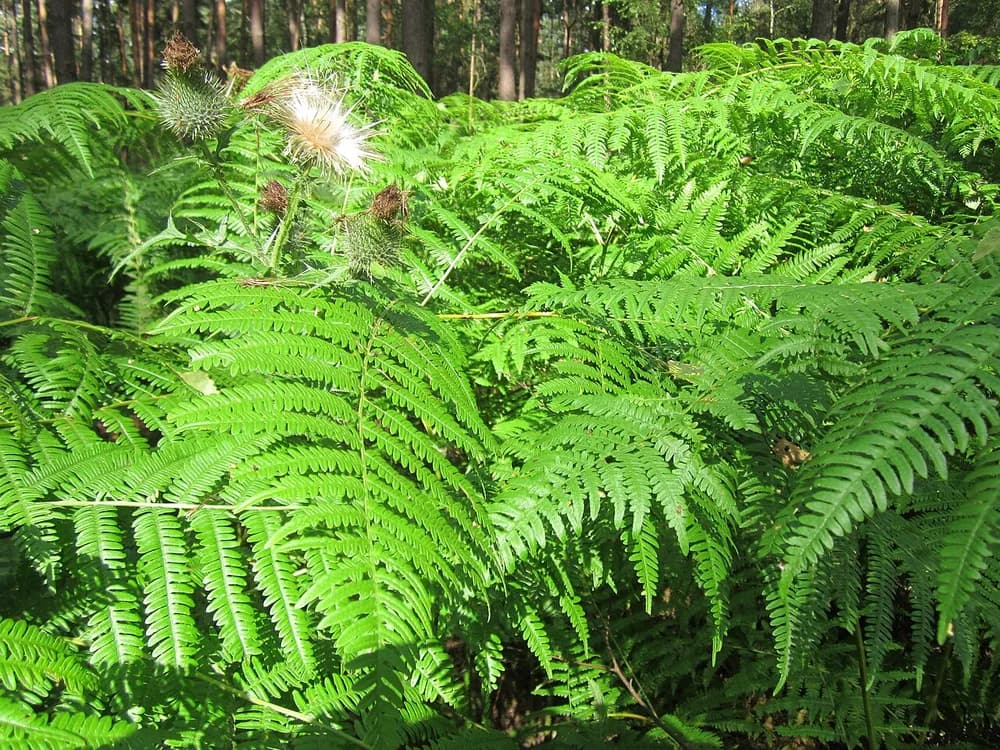
Pteridium aquilinum
Advertisement
Quick facts
| Toxic to dogs | Yes |
|---|---|
| Toxic to cats | No |
| Toxic to horses | Yes |
| Toxic component | Thiaminase (destroys vitamin B1) and, with prolonged exposure, carcinogenic compounds |
| Onset of symptoms | Develops over weeks of continuous grazing in horses |
| Indoor / outdoor | outdoor |
If your pet ate this plant
Both lines are staffed 24/7. A consultation fee applies to each. Do not wait for symptoms to appear before calling.
Advertisement
Symptoms in dogs
- Mild GI upset
Symptoms in horses
- Weight loss
- Incoordination
- Weakness with prolonged grazing
Advertisement
What to do
A chronic grazing-exposure hazard for horses via thiamine deficiency; a single incidental taste by a dog is a low concern.
Toxic component and mechanism
The toxic component in Bracken Fern is thiaminase (destroys vitamin b1) and, with prolonged exposure, carcinogenic compounds.
What makes this plant different
Bracken Fern is one of the most widespread ferns in the world, common in disturbed woodland and pasture edges — its thiaminase-driven, cumulative-exposure risk to grazing horses is a slow-building concern rather than a single-bite emergency.
Plant identification
- Scientific name
- Pteridium aquilinum
- Family
- Polypodiaceae
- Also known as
- Bracken Fern, Brake Fern, Umbewe, Brake, Pasture Bracken, Hog-Pasture Bracken, Eagle fern
- Typically found
- outdoor
Pet-safe alternatives


Advertisement
Related plants

Ball Fern
Davallia spp.

Staghorn Fern
Platycerium bifurcatum

Acorn Squash
Cucurbita pepo

Adam-and-Eve
Arum maculatum

African Daisy
Gerbera jamesonii
See all Polypodiaceae plants →
Last verified: July 2, 2026 · Cross-referenced with ASPCA Animal Poison Control