Is Angelica Tree Toxic to Dogs and Cats? (2026)
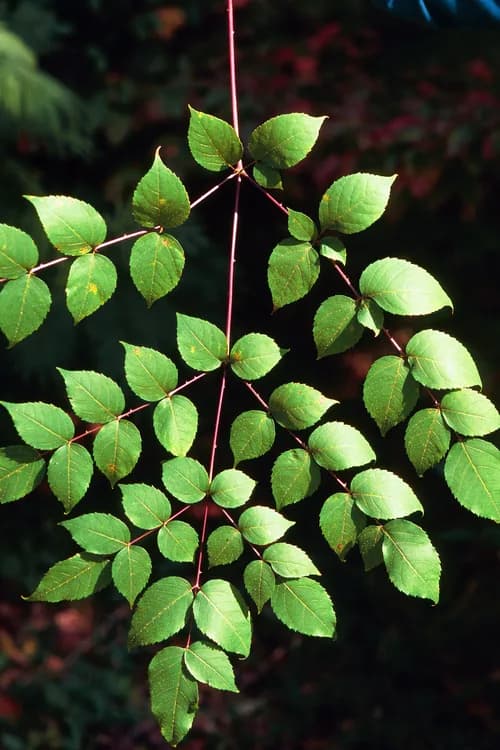
Aralia spinosa
Advertisement
Quick facts
| Toxic to dogs | Yes |
|---|---|
| Toxic to cats | Yes |
| Toxic to horses | Yes |
| Toxic component | Triterpenoid saponins |
| Onset of symptoms | Within a few hours |
| Indoor / outdoor | outdoor |
If your pet ate this plant
Both lines are staffed 24/7. A consultation fee applies to each. Do not wait for symptoms to appear before calling.
Advertisement
Symptoms in dogs
- Vomiting
- Diarrhea
- Skin irritation from the plant's sharp spines
Symptoms in cats
- Vomiting
- Diarrhea
Advertisement
What to do
Contact a vet if significant plant material was eaten; the tree's dense spines often cause more immediate injury than the toxin itself.
Toxic component and mechanism
The toxic component in Angelica Tree is triterpenoid saponins.
What makes this plant different
Angelica Tree's dense, sharp spines (giving it alternate names like Devil's Walking Stick) typically deter casual browsing more effectively than most plants' chemical defenses — physical injury from the spines is often the more immediate concern for a curious pet.
Plant identification
- Scientific name
- Aralia spinosa
- Family
- Araliaceae
- Also known as
- Angelica Tree, Hercules' Club, Devil's Walking Stick, Prickly Ash, Prickly Elder
- Typically found
- outdoor
Pet-safe alternatives


Advertisement
Related plants

Australian Ivy Palm
Brassaia actinophylla

Branching Ivy
Hedera helix

Coffee Tree
Polyscias guilfoylei

English Ivy
Hedera helix

Schefflera
Schefflera
Last verified: July 2, 2026 · Cross-referenced with ASPCA Animal Poison Control