Is Red Lily Toxic to Dogs and Cats? (2026)
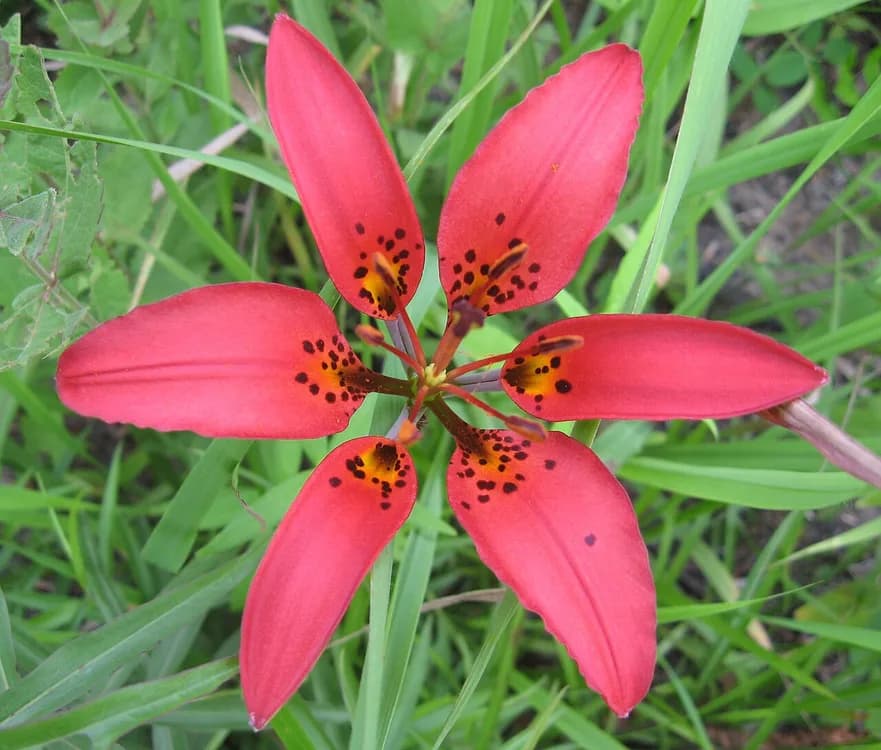
Lilium umbellatum
Advertisement
Quick facts
| Toxic to dogs | Yes |
|---|---|
| Toxic to cats | Yes |
| Toxic to horses | No |
| Toxic component | Unidentified nephrotoxin (all plant parts, including pollen and vase water) |
| Onset of symptoms | 2 hours for vomiting; kidney failure develops over 24-72 hours in cats |
| Indoor / outdoor | both |
If your pet ate this plant
Both lines are staffed 24/7. A consultation fee applies to each. Do not wait for symptoms to appear before calling.
Advertisement
Symptoms in dogs
- Vomiting
- Lethargy
- Reduced appetite
Symptoms in cats
- Vomiting
- Lethargy
- Loss of appetite
- Increased or decreased urination
- Dehydration
- Seizures in advanced cases
Advertisement
What to do
If a cat has had ANY contact with a true lily — chewing a leaf, licking pollen off fur, or drinking vase water — treat this as a veterinary emergency immediately, even before symptoms appear. Early IV fluid therapy within 18 hours dramatically improves survival odds.
Toxic component and mechanism
The toxic component in Red Lily is unidentified nephrotoxin (all plant parts, including pollen and vase water).
What makes this plant different
Red Lily is one of several Lilium umbellatum common names alongside Wood Lily — regardless of which name is used at a nursery, the severe cat-specific kidney risk is identical.
Plant identification
- Scientific name
- Lilium umbellatum
- Family
- Liliaceae
- Also known as
- Red Lily
- Typically found
- both
Pet-safe alternatives


Advertisement
Related plants

Aloe
Aloe vera

Asian Lily
Lilium asiatica

Asparagus Fern
Asparagus densiflorus cv sprengeri

Autumn Crocus
Colchicum autumnale

Bamboo Vine
Smilax laurifolia
Last verified: July 2, 2026 · Cross-referenced with ASPCA Animal Poison Control