Is Mauna Loa Peace Lily Toxic to Dogs and Cats? (2026)
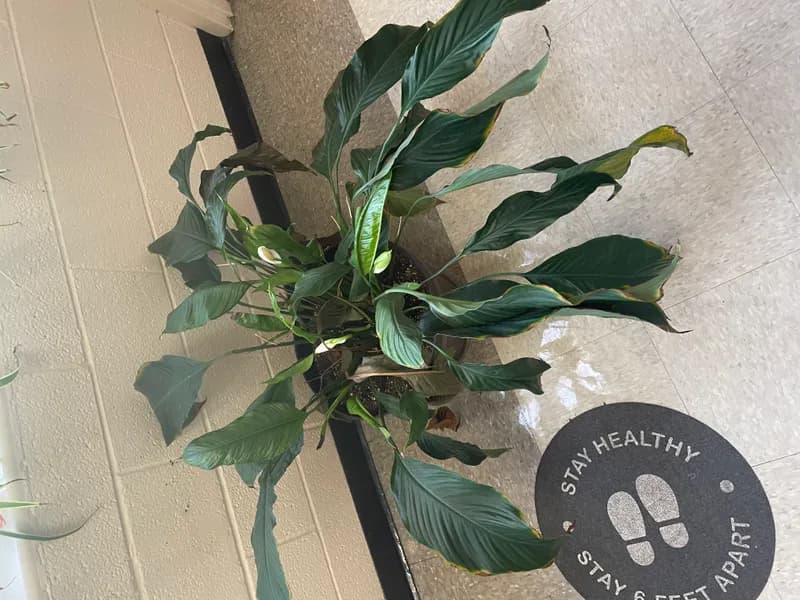
Spathiphyllum
Advertisement
Quick facts
| Toxic to dogs | Yes |
|---|---|
| Toxic to cats | Yes |
| Toxic to horses | Yes |
| Toxic component | Insoluble calcium oxalate crystals |
| Onset of symptoms | Within minutes of chewing |
| Indoor / outdoor | indoor |
If your pet ate this plant
Both lines are staffed 24/7. A consultation fee applies to each. Do not wait for symptoms to appear before calling.
Advertisement
Symptoms in dogs
- Oral pain
- Drooling
- Vomiting
- Difficulty swallowing
Symptoms in cats
- Oral pain
- Drooling
- Vomiting
- Pawing at mouth
Advertisement
What to do
Offer water to help rinse remaining crystals from the mouth. Most cases resolve with supportive care at home; seek vet care if swelling of the mouth or throat develops or vomiting persists beyond a few hours.
Toxic component and mechanism
The toxic component in Mauna Loa Peace Lily is insoluble calcium oxalate crystals.
What makes this plant different
Mauna Loa is the most common cultivar of Peace Lily sold commercially; the cultivar name doesn't change the toxicity profile from standard Spathiphyllum.
Plant identification
- Scientific name
- Spathiphyllum
- Family
- Araceae
- Also known as
- Mauna Loa Peace Lily, Peace Lily
- Typically found
- indoor
Advertisement
Related plants
Adam-and-Eve
Arum maculatum
Alocasia
Alocasia spp.
Arrow-Head Vine
Syngonium podophyllum
Arum
Arum maculatum
Arum Lily
Zantedeschia aethiopica
Last verified: July 2, 2026 · Cross-referenced with ASPCA Animal Poison Control