Is Lavender Toxic to Dogs and Cats? (2026)
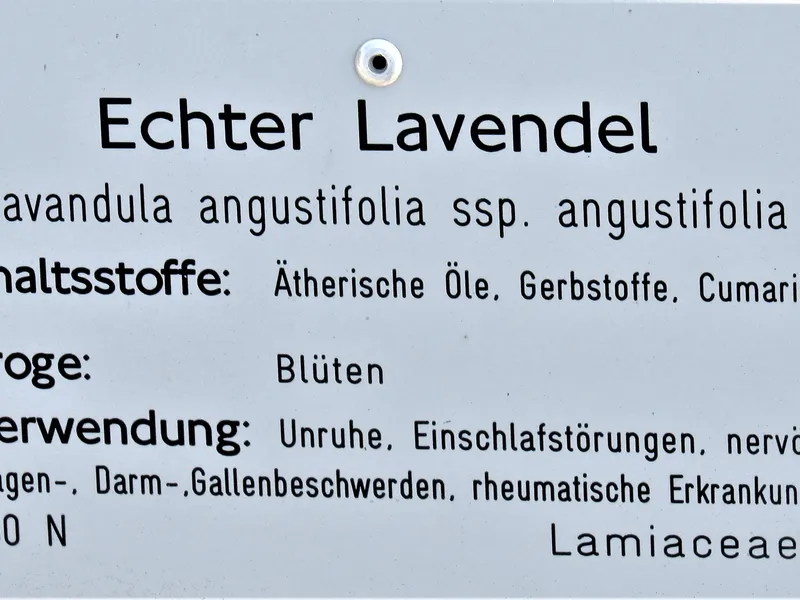
Lavendula angustifolia
Advertisement
Quick facts
| Toxic to dogs | Yes |
|---|---|
| Toxic to cats | Yes |
| Toxic to horses | Yes |
| Toxic component | Small amounts of linalool and linalyl acetate |
| Onset of symptoms | A few hours |
| Indoor / outdoor | both |
If your pet ate this plant
Both lines are staffed 24/7. A consultation fee applies to each. Do not wait for symptoms to appear before calling.
Advertisement
Symptoms in dogs
- Vomiting
- Reduced appetite in large amounts
Symptoms in cats
- Vomiting
- Reduced appetite in large amounts
Advertisement
What to do
A small nibble is rarely a concern; contact a vet only if a large quantity was eaten or the essential oil itself was ingested, which is far more concentrated than the plant.
Toxic component and mechanism
The toxic component in Lavender is small amounts of linalool and linalyl acetate.
What makes this plant different
Lavender's toxicity is minor enough that a nibble of the plant itself is rarely worth a vet call, but the concentrated essential oil sold for aromatherapy is a different story — the plant and the oil should not be treated as equivalent risk.
Plant identification
- Scientific name
- Lavendula angustifolia
- Family
- Lamiaceae
- Also known as
- Lavender, Common Lavender, English Lavender
- Typically found
- both
Pet-safe alternatives
Advertisement
Related plants
Basil
Ocimum basilicum
Marjoram
Origanum majorana
Rosemary
Salvia rosmarinus
Thyme
Thymus vulgaris
Adam-and-Eve
Arum maculatum
Last verified: July 2, 2026 · Cross-referenced with ASPCA Animal Poison Control