Is Hyacinth Toxic to Dogs and Cats? (2026)
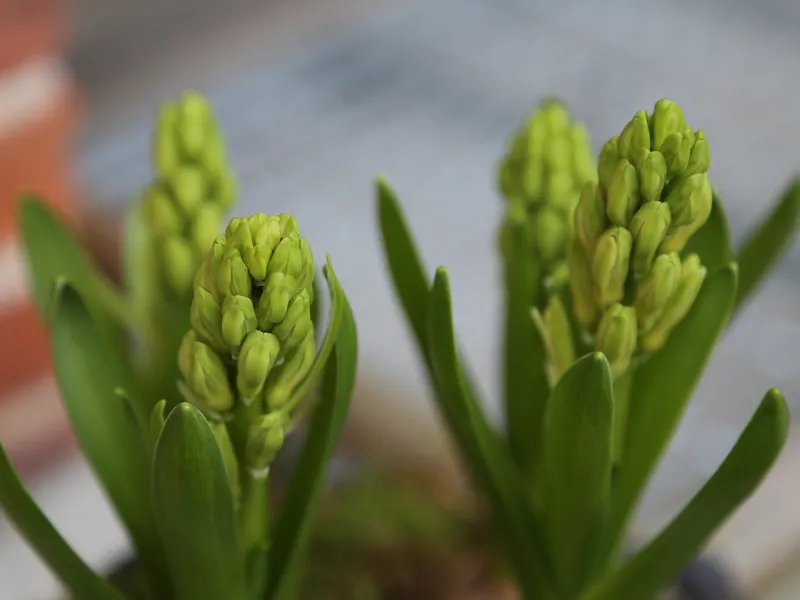
Hyacinthus orientalis
Advertisement
Quick facts
| Toxic to dogs | Yes |
|---|---|
| Toxic to cats | Yes |
| Toxic to horses | Yes |
| Toxic component | Allergenic alkaloids, concentrated in the bulb |
| Onset of symptoms | Within a few hours |
| Indoor / outdoor | both |
If your pet ate this plant
Both lines are staffed 24/7. A consultation fee applies to each. Do not wait for symptoms to appear before calling.
Advertisement
Symptoms in dogs
- Drooling
- Vomiting
- Diarrhea
- Skin irritation from bulb contact
Symptoms in cats
- Drooling
- Vomiting
- Diarrhea
Advertisement
What to do
Contact a vet if a bulb was eaten; leaf/flower contact usually causes only mild GI upset.
Toxic component and mechanism
The toxic component in Hyacinth is allergenic alkaloids, concentrated in the bulb.
Part-specific risk: Bulb is far more concentrated in toxins than leaves or flowers.
What makes this plant different
Like tulips, hyacinth toxicity is concentrated in the bulb rather than the flower, making fall bulb-planting season the highest-risk period for dogs that dig. The bulb's fibrous outer layer can also cause mechanical skin irritation on contact, separate from the internal toxin.
Plant identification
- Scientific name
- Hyacinthus orientalis
- Family
- Liliaceae
- Also known as
- Hyacinth
- Typically found
- both
Pet-safe alternatives
Advertisement
Related plants
Aloe
Aloe vera
Asian Lily
Lilium asiatica
Asparagus Fern
Asparagus densiflorus cv sprengeri
Autumn Crocus
Colchicum autumnale
Bamboo Vine
Smilax laurifolia
Last verified: July 2, 2026 · Cross-referenced with ASPCA Animal Poison Control