Is Hoary Alyssum Toxic to Dogs and Cats? (2026)
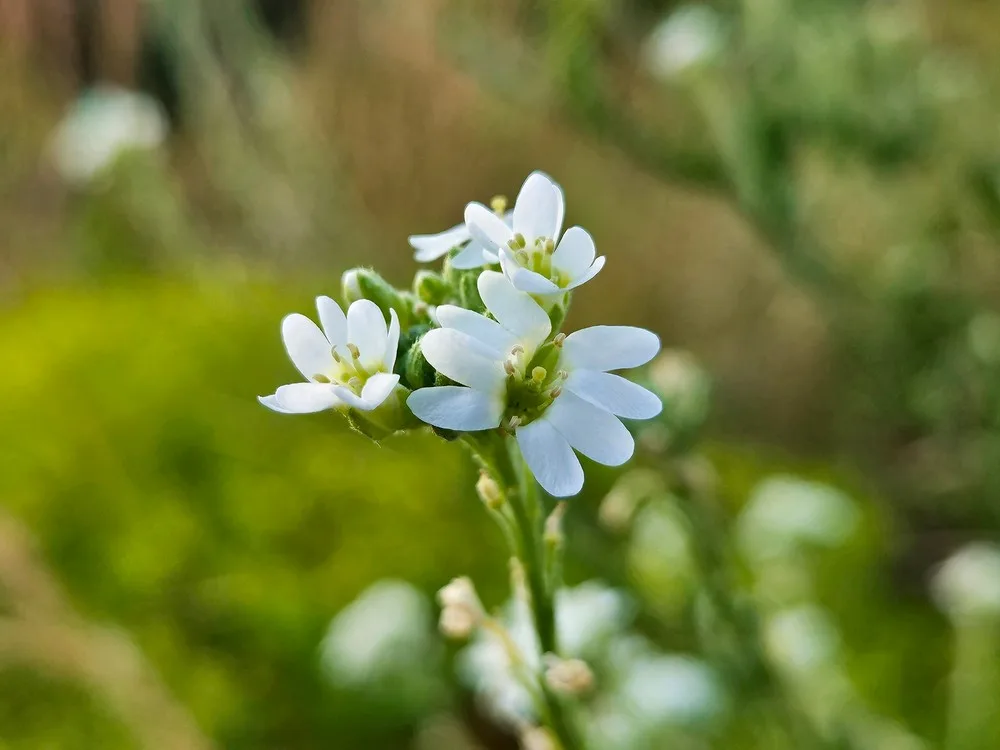
Berteroa incana
Advertisement
Quick facts
| Toxic to dogs | No |
|---|---|
| Toxic to cats | No |
| Toxic to horses | Yes |
| Toxic component | Unidentified (associated with laminitis and limb swelling in horses) |
| Onset of symptoms | Within 12-24 hours of eating contaminated hay |
| Indoor / outdoor | outdoor |
If your pet ate this plant
Both lines are staffed 24/7. A consultation fee applies to each. Do not wait for symptoms to appear before calling.
Advertisement
Symptoms in horses
- Limb swelling
- Laminitis
- Fever
- Diarrhea
Advertisement
What to do
Primarily a hazard when baled into hay rather than fresh pasture; not established as a dog or cat risk. Contact a vet promptly if a horse shows limb swelling after eating hay suspected to contain this weed.
Toxic component and mechanism
The toxic component in Hoary Alyssum is unidentified (associated with laminitis and limb swelling in horses).
What makes this plant different
Hoary Alyssum is a hay-contamination hazard rather than a pasture-grazing one — horses are most commonly affected when this weed gets baled into hay, since drying doesn't reduce its toxicity the way it does for some other plants on this list.
Plant identification
- Scientific name
- Berteroa incana
- Family
- Brassicaceae
- Also known as
- Hoary Alyssum
- Typically found
- outdoor
Advertisement
Related plants

Alyssum
Alyssum spp.

Acorn Squash
Cucurbita pepo

African Daisy
Gerbera jamesonii

African Violet
Saintpaulia spp.

Algaroba
Prosopis limensis
Last verified: July 2, 2026 · Cross-referenced with ASPCA Animal Poison Control