Is Cycads Toxic to Dogs and Cats? (2026)
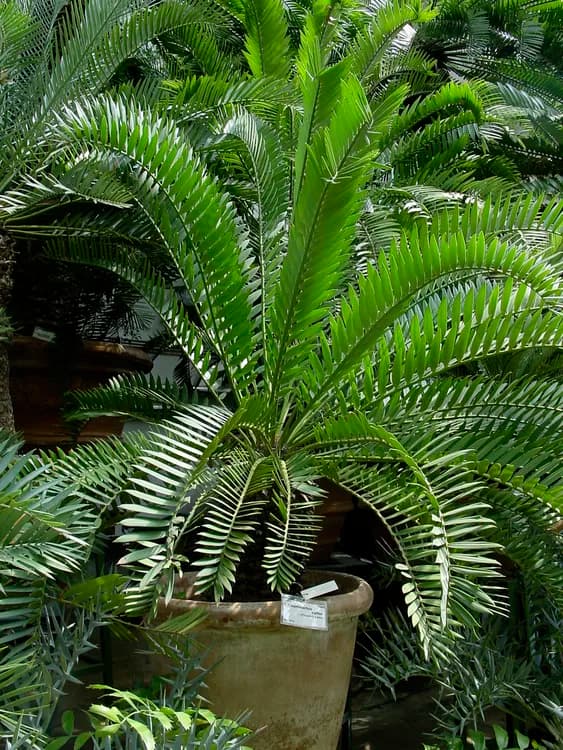
Cycas and Zamia species
Advertisement
Quick facts
| Toxic to dogs | Yes |
|---|---|
| Toxic to cats | Yes |
| Toxic to horses | Yes |
| Toxic component | Cycasin |
| Onset of symptoms | 15 minutes to several hours for vomiting; liver failure over 2-3 days |
| Indoor / outdoor | both |
If your pet ate this plant
Both lines are staffed 24/7. A consultation fee applies to each. Do not wait for symptoms to appear before calling.
Advertisement
Symptoms in dogs
- Vomiting
- Black/bloody stool
- Jaundice
- Bruising
- Seizures
- Liver failure
Symptoms in cats
- Vomiting
- Jaundice
- Lethargy
- Liver failure
Symptoms in horses
- Colic
- Diarrhea
- Liver failure
Advertisement
What to do
Go to an emergency vet immediately — do not wait for symptoms. Mortality is around 30-50% even with treatment; the seeds are the most toxic and most palatable part.
Toxic component and mechanism
The toxic component in Cycads is cycasin.
What makes this plant different
Sago Palm is equally dangerous to cats and dogs, but cats are more likely to develop fulminant hepatic failure from a proportionally smaller dose. The seeds contain the highest concentration of cycasin and are also the most palatable part of the plant — the opposite of the safety pattern seen in many other toxic plants where leaves are riskiest.
Plant identification
- Scientific name
- Cycas and Zamia species
- Family
- Cycadaceae
- Also known as
- Cycads, Sago Palm, Fern Palm
- Typically found
- both
Pet-safe alternatives


Advertisement
Related plants

Cardboard Cycad
Zamia furfuracea

Cardboard Palm
Zamia spp.

Coontie Palm
Zamia pumila

Fern Palm
Zamia spp.

Sago Palm
Cycas revoluta, zamia species
Last verified: July 2, 2026 · Cross-referenced with ASPCA Animal Poison Control