Is Chandelier Plant Toxic to Dogs and Cats? (2026)
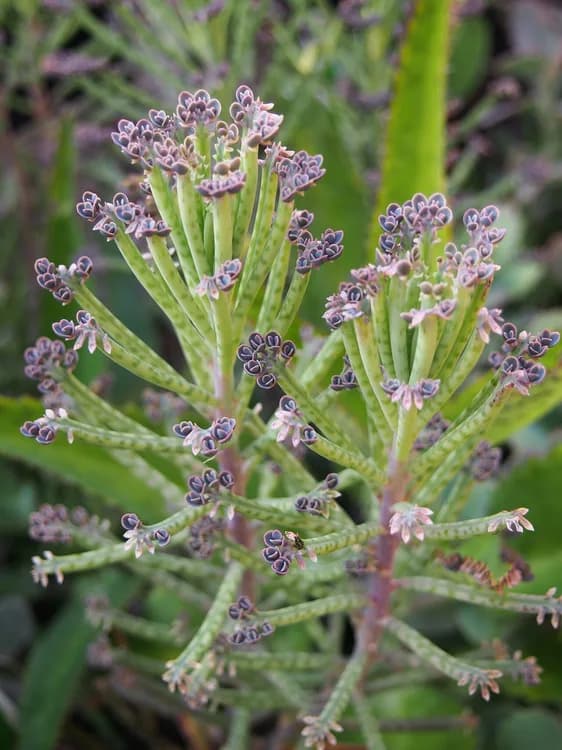
Kalanchoe tubiflora
Advertisement
Quick facts
| Toxic to dogs | Yes |
|---|---|
| Toxic to cats | Yes |
| Toxic to horses | Yes |
| Toxic component | Bufadienolide cardiac glycosides (less potent than oleander) |
| Onset of symptoms | Within a few hours |
| Indoor / outdoor | indoor |
If your pet ate this plant
Both lines are staffed 24/7. A consultation fee applies to each. Do not wait for symptoms to appear before calling.
Advertisement
Symptoms in dogs
- Vomiting
- Diarrhea
- Abnormal heart rhythm in large ingestions
Symptoms in cats
- Vomiting
- Diarrhea
- Abnormal heart rhythm in large ingestions
Advertisement
What to do
Contact a vet — GI upset is most common, but cardiac monitoring is warranted for larger ingestions since the toxin family is the same class (just weaker) as oleander's.
Toxic component and mechanism
The toxic component in Chandelier Plant is bufadienolide cardiac glycosides (less potent than oleander).
What makes this plant different
Kalanchoe contains the same class of cardiac glycoside as Oleander, just at meaningfully lower potency — GI upset is the most common outcome, but the shared toxin family means cardiac monitoring is still warranted for larger ingestions rather than assuming it's 'just a stomach ache' plant.
Plant identification
- Scientific name
- Kalanchoe tubiflora
- Family
- Crassulaceae
- Also known as
- Chandelier Plant, Mother-In-Law-Plant, Kalanchoe, Devils Backbone, Mother of Millions
- Typically found
- indoor
Advertisement
Related plants

Blue Echeveria
Echeveria glauca

Burro's Tail
Sedum morganianum

Chinese Jade
Crassula arborescens

Devil's Backbone
Kalanchoe tubiflora

Jade Plant
Crassula argentea
Last verified: July 2, 2026 · Cross-referenced with ASPCA Animal Poison Control