Is Bread and Butter Plant Toxic to Dogs and Cats? (2026)
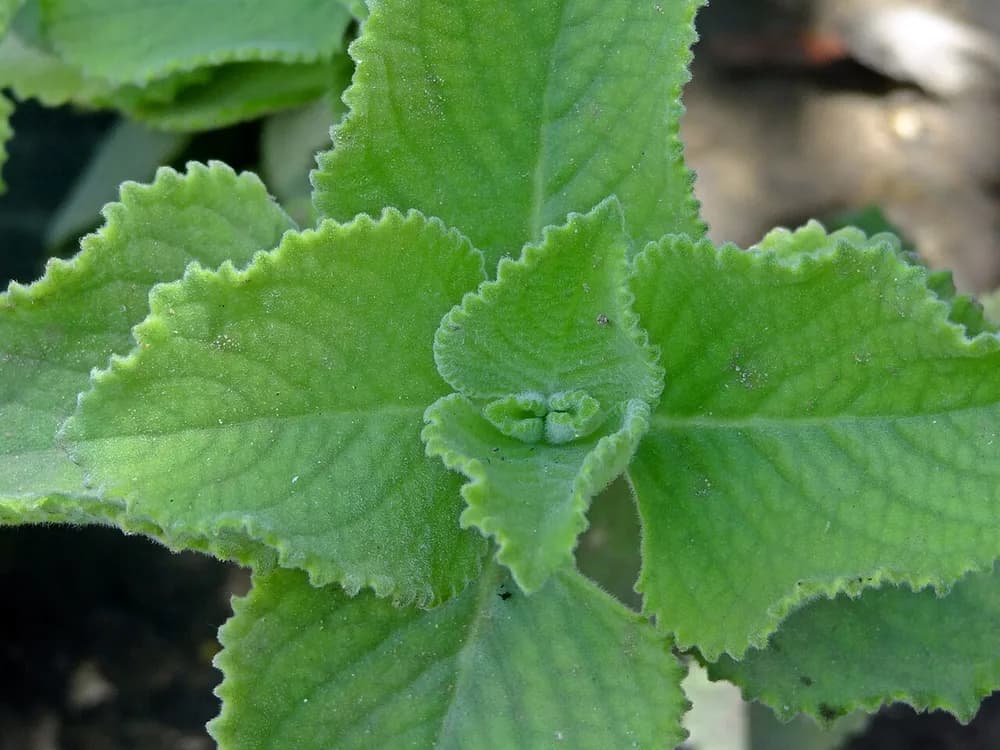
Coleus ampoinicus
Advertisement
Quick facts
| Toxic to dogs | Yes |
|---|---|
| Toxic to cats | Yes |
| Toxic to horses | Yes |
| Toxic component | Essential oils (similar to related Coleus species) |
| Onset of symptoms | Within a few hours |
| Indoor / outdoor | indoor |
If your pet ate this plant
Both lines are staffed 24/7. A consultation fee applies to each. Do not wait for symptoms to appear before calling.
Advertisement
Symptoms in dogs
- Drooling
- Vomiting
- Skin irritation from contact
Symptoms in cats
- Drooling
- Vomiting
- Skin irritation from contact
Advertisement
What to do
Usually resolves with monitoring; rinse skin if contact irritation occurs.
Toxic component and mechanism
The toxic component in Bread and Butter Plant is essential oils (similar to related coleus species).
What makes this plant different
Bread and Butter Plant is a common name shared with Coleus species and causes primarily mild skin and GI irritation from contact with its essential oils — one of the gentler entries among plants with alarming-sounding names.
Plant identification
- Scientific name
- Coleus ampoinicus
- Family
- Labiatae
- Also known as
- Bread and Butter Plant, Indian Borage, Spanish Thyme, Coleus, Maratha, Militini, East Indian Thyme
- Typically found
- indoor
Advertisement
Related plants

Coleus
Coleus ampoinicus

Adam-and-Eve
Arum maculatum

American Holly
Ilex opaca

Arrow-Head Vine
Syngonium podophyllum

Arum
Arum maculatum
Last verified: July 2, 2026 · Cross-referenced with ASPCA Animal Poison Control